Combating Ocean Pollution: The Plastic Tide

sickofyourcrap.com – The relentless surge of plastic waste into the world’s oceans, often referred to as the “plastic tide,” has become one of the most pressing environmental issues of our time. This article explores the magnitude of ocean plastic pollution, its impact on marine ecosystems, and the multifaceted strategies being employed to combat this global problem.

The Magnitude of Ocean Plastic Pollution

The proliferation of plastic waste in the oceans is a direct consequence of human consumption habits and inadequate waste management systems. Every year, millions of tons of plastic find their way into the marine environment, where they can persist for centuries, breaking down into smaller microplastics that infiltrate the food chain.

Impact on Marine Ecosystems

The presence of plastic in the oceans has far-reaching consequences for marine life. Animals can become entangled in plastic debris, leading to injury or death. Plastic ingestion is another significant issue, as it can cause internal damage and block digestive tracts. The toxic chemicals leached from plastics also pose a threat, accumulating in the tissues of marine organisms and potentially entering the human food supply.

Strategies for Combating Ocean Plastic Pollution

Addressing the plastic tide requires a comprehensive approach that encompasses prevention, cleanup, and policy change.

Prevention

The first line of defense against ocean plastic pollution is preventing plastic waste from entering the environment in the first place. This can be achieved through improved waste management, increased recycling rates, and the development of biodegradable or compostable alternatives to traditional plastics.

Cleanup Efforts

Innovative cleanup technologies and initiatives are playing a crucial role in removing plastic waste from the oceans. From large-scale ocean cleanup projects that use advanced systems to collect plastic debris to community-led beach cleanups, these efforts help mitigate the immediate impact of plastic pollution.

Policy and Legislation

Governments and international bodies are increasingly recognizing the need for strong policies to tackle plastic pollution. Bans on single-use plastics, plastic taxes, and extended producer responsibility schemes are among the measures being implemented to reduce plastic waste generation and promote sustainability.

Conclusion

The plastic tide is a complex challenge that requires the collective action of governments, industries, communities, and individuals. By implementing a combination of preventative measures, cleanup efforts, and policy changes, we can begin to turn the tide on ocean plastic pollution and safeguard the health of our marine ecosystems for future generations.
Darwin’s Inspiration: Galápagos

sickofyourcrap.com – The Galápagos Islands, an archipelago of volcanic islands distributed on either side of the Equator in the Pacific Ocean, some 970 kilometers (600 mi) west of Ecuador, have long been recognized as a unique and critical site in the history of science. These islands, with their diverse and often peculiar wildlife, played a pivotal role in the development of one of the most important scientific theories of all time: the theory of evolution by natural selection.

The Voyage of the Beagle

The story of the Galápagos Islands’ influence on the theory of evolution begins with the voyage of the HMS Beagle. In 1831, the young naturalist Charles Darwin embarked on a five-year journey around the world aboard the Beagle. The ship’s primary mission was to chart poorly understood regions of the South American coast, but for Darwin, the voyage was an opportunity to observe and collect biological and geological specimens.

The Islands that Changed Science

The Beagle arrived at the Galápagos in September 1835. Darwin spent five weeks on the islands, exploring four of them: Santiago, Floreana, Isabela, and San Cristóbal. The unique flora and fauna he encountered there would later prove to be a crucial element in the development of his ideas on evolution.

Unique Wildlife

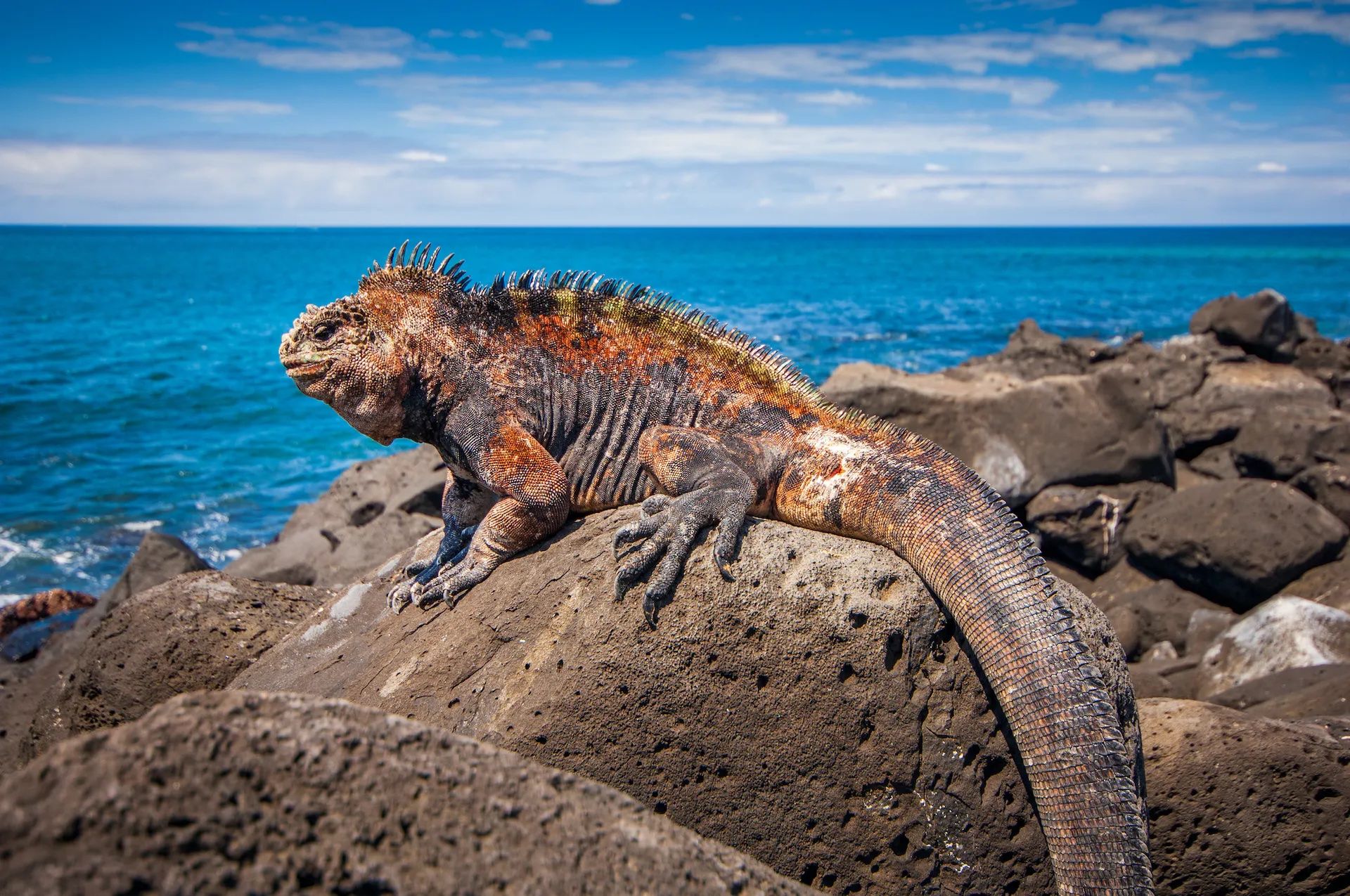
The Galápagos Islands are home to a variety of species found nowhere else on Earth, including the famous Galápagos tortoises, marine iguanas, and several species of finches. It was these finches, in particular, that would become a key piece of evidence for Darwin’s theory.

The Finches and the Theory of Evolution

Darwin noticed that the beaks of the finches varied slightly from island to island. These variations, he later theorized, were adaptations to different food sources available on each island. This observation, combined with his studies of other species on the islands and his extensive research in South America, led Darwin to develop his theory of natural selection.

The Development of a Theory

After returning to England, Darwin spent years analyzing his findings and those of other scientists. It wasn’t until 1859, 24 years after his visit to the Galápagos, that he published “On the Origin of Species,” outlining his theory of evolution by natural selection.

The Legacy of the Galápagos

The Galápagos Islands continue to be a critical site for the study of evolution and ecology. The unique conditions that inspired Darwin’s groundbreaking work also make the islands a delicate ecosystem, vulnerable to the impacts of climate change, invasive species, and human activity.

Conservation Efforts

Recognizing the importance of the Galápagos, both for science and for the natural world, conservation efforts have been underway for decades. The Galápagos National Park was established in 1959, and in 1978, the islands were designated as a UNESCO World Heritage Site.

Conclusion

The Galápagos Islands are more than just a tourist destination; they are a living laboratory and a monument to the natural processes that shape life on Earth. Charles Darwin’s observations in the Galápagos were a pivotal moment in the history of science, leading to a deeper understanding of the diversity of life and our place within it. As we continue to explore and protect these remarkable islands, we honor the legacy of Darwin and the ongoing quest to understand the natural world.

The Environmental Impact of Charitable Organizations

sickofyourcrap.com – Charitable organizations play a pivotal role in addressing a myriad of societal issues, from poverty and education to health and disaster relief. However, the environmental impact of these organizations is a topic that often remains under the radar. As the world grapples with the escalating challenges of climate change and environmental degradation, it is imperative to examine how charitable organizations contribute to, or mitigate, these issues. This article delves into the environmental footprint of charitable organizations, exploring both the challenges and opportunities they present in the context of sustainability.

The Dual Nature of Charitable Organizations’ Environmental Impact

Charitable organizations can have both positive and negative environmental impacts, depending on their operations, practices, and the nature of their work. On one hand, many organizations are at the forefront of environmental conservation efforts, working tirelessly to protect natural habitats, combat climate change, and promote sustainable living. On the other hand, some charities inadvertently contribute to environmental degradation through their day-to-day operations, such as generating waste, consuming energy, and contributing to carbon emissions.

Positive Environmental Initiatives by Charitable Organizations

Conservation and Preservation Efforts

Many charitable organizations are dedicated to preserving biodiversity and protecting natural habitats. These organizations undertake initiatives such as reforestation projects, wildlife conservation, and the preservation of endangered species. Their efforts are crucial in maintaining ecological balance and combating the adverse effects of climate change.

Promoting Sustainable Practices

Charitable organizations also play a significant role in educating the public and promoting sustainable practices. By advocating for renewable energy, recycling, and sustainable agriculture, these organizations help to reduce the overall environmental footprint of communities and industries.

Disaster Response and Environmental Recovery

In the aftermath of natural disasters, charitable organizations are often the first responders, providing relief and aiding in the recovery process. Many of these organizations also focus on environmental recovery, working to restore ecosystems and prevent further damage to the environment.

Challenges and Negative Impacts

Despite their positive contributions, charitable organizations also face criticism for their environmental impact. Issues such as the carbon footprint of international operations, the inefficient use of resources, and the generation of waste are areas of concern. Additionally, the distribution of non-biodegradable goods in disaster relief efforts can lead to long-term environmental damage in affected areas.

The Path Forward: Sustainable Charitable Practices

To mitigate their negative environmental impact, charitable organizations must adopt sustainable practices. This includes reducing waste, conserving energy, and offsetting carbon emissions. Transparency and accountability in reporting environmental impacts can also help charities to improve their sustainability practices.

Furthermore, collaboration with environmental organizations and the integration of sustainable development goals into their missions can enhance the positive environmental impact of charitable organizations.

Conclusion

The environmental impact of charitable organizations is a complex issue that requires a nuanced understanding. While these organizations play a crucial role in addressing environmental challenges, they must also be mindful of their own environmental footprint. By adopting sustainable practices and integrating environmental considerations into their missions, charitable organizations can ensure that their efforts to do good are not undermined by negative environmental impacts. As the world continues to face environmental crises, the role of charitable organizations in promoting sustainability becomes ever more critical.