
Princesses in the Digital Age: The Social Media Monarchs

sickofyourcrap.com – In an era where digital presence is as significant as physical appearances, the world’s royal princesses have embraced social media platforms with grace and innovation, transforming themselves into modern-day monarchs of the digital realm. These princesses, born into tradition and heritage, are now at the forefront of a digital revolution, using their platforms to engage with the public, advocate for causes, and redefine what it means to be royal in the 21st century.

The Digital Crown: A New Jewel in the Royal Regalia

Traditionally, royal families have been known for their reserved and private nature, with public appearances and official statements being the primary means of communication with the masses. However, the advent of social media has changed the game. Princesses from various royal families around the world have taken to platforms like Instagram, Twitter, and YouTube, not only to share glimpses of their lives but also to connect with people on a more personal level.

Princesses as Influencers: A Royal Influence

The influence of these princesses extends far beyond their royal titles. With millions of followers on their social media accounts, they have become influencers in their own right. From fashion and lifestyle to advocacy and charity work, their posts and stories have a significant impact on their followers. Princesses like Princess Mary of Denmark and Princess Eugenie of York have used their platforms to raise awareness about various social issues, proving that their influence can be a force for good.

Breaking Barriers: A More Relatable Monarchy

One of the most significant impacts of royal princesses on social media is the breaking down of barriers between the monarchy and the public. By sharing behind-the-scenes moments, personal achievements, and even the occasional blooper, these princesses have made the monarchy more relatable and accessible. This approach has not only humanized the royal image but has also attracted a younger, more diverse audience to engage with royal content.

The Future of Royal Engagement

As the digital age continues to evolve, the role of royal princesses on social media is likely to expand even further. With the potential to influence public opinion, support social causes, and even shape international relations, these princesses are poised to become even more significant players on the global stage. Their ability to connect with people across borders and cultures through social media platforms offers a unique opportunity to promote understanding, empathy, and unity.

Conclusion

The social media monarchs of the digital age are not just princesses by birth but also pioneers in the realm of digital engagement. By leveraging the power of social media, they have redefined the role of royalty in the modern world, making it more inclusive, accessible, and relevant. As they continue to navigate the digital landscape, their legacy will undoubtedly inspire future generations of royals to embrace technology as a tool for connection, advocacy, and change. The social media monarchs are not just ruling their kingdoms; they are shaping the future of royal engagement in the digital era.
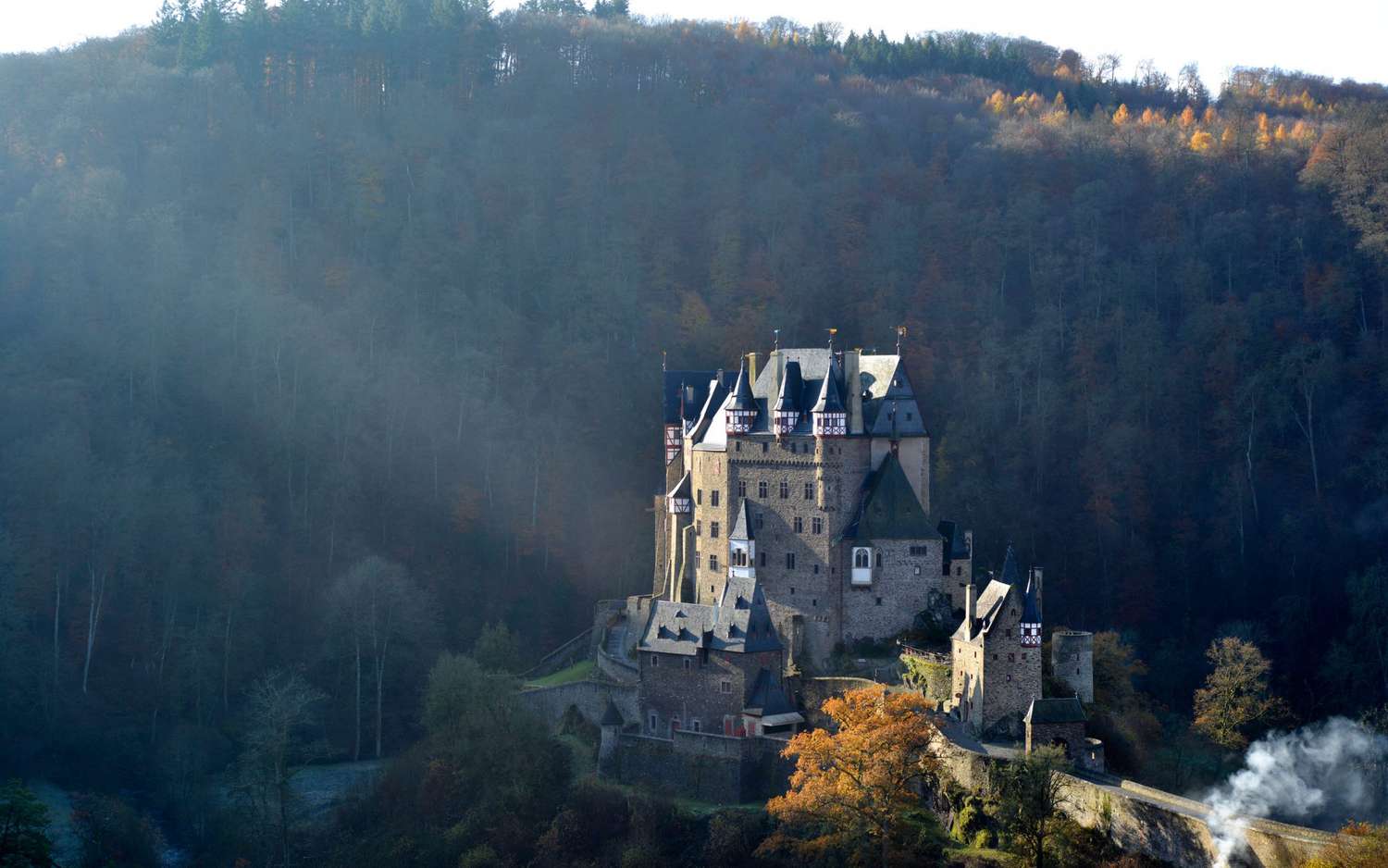
Fortresses of the World’s Monarchs: Kings and Their Castles

sickofyourcrap.com – Throughout history, kings and monarchs have been synonymous with power, wealth, and grandeur. One of the most enduring symbols of their reigns has been the castles they built or inherited. These fortresses were not just homes; they were centers of governance, military strongholds, and expressions of architectural prowess. From the snow-capped peaks of Europe to the sun-drenched lands of Asia and Africa, the world is dotted with castles that tell the stories of the monarchs who once ruled from their walls.

The Majesty of European Castles

Europe is home to some of the most iconic castles in the world, many of which have been the backdrop for real-life royal dramas. Neuschwanstein Castle in Germany, for example, is a fairy-tale creation of King Ludwig II, known for its fantastical design and the inspiration it provided for Disney’s Sleeping Beauty Castle.

Windsor Castle in England, one of the official residences of the British monarch, has been a seat of power for nearly a millennium. It has been a fortress, a palace, and a prison, and today, it remains a working royal home.

The Palace of Versailles in France, while not a castle in the traditional sense, is a testament to the opulence of the Sun King, Louis XIV. It was here that the French monarchy consolidated its power, and it remains a symbol of the extravagance that led to the French Revolution.

The Might of Asian Palaces

Asia’s monarchs have left behind a legacy of architectural marvels that rival their European counterparts. The Forbidden City in Beijing, China, was the imperial palace for 24 emperors during the Ming and Qing dynasties. It is a vast complex of halls, pavilions, and courtyards that was the ceremonial and political center of Chinese government for five centuries.

The Grand Palace in Bangkok, Thailand, is another example of the grandeur of Asian monarchy. Originally built in 1782, it served as the official residence of the Kings of Siam and later Thailand until 1925. Today, it is a must-visit for its intricate architecture and the Emerald Buddha Temple within its walls.

African Royal Strongholds

Africa’s monarchs have also built impressive castles and palaces, many of which are less known but equally fascinating. The Manhyia Palace in Kumasi, Ghana, is the royal residence of the Asantehene, the king of the Ashanti people. It is a blend of traditional African architecture and colonial-era design, reflecting the complex history of the region.

The Royal Palace of Ouidah in Benin is another significant royal residence. It was built in the 18th century and played a crucial role in the Atlantic slave trade. Today, it is a museum that tells the story of the kings of Dahomey and the history of the slave trade.

The Legacy of Monarchs’ Castles

The castles and palaces of the world’s monarchs are more than just buildings; they are time capsules that preserve the history, culture, and aspirations of their eras. They stand as reminders of the power and influence of the kings and queens who once ruled from their halls.

Today, many of these castles have been transformed into museums, tourist attractions, and in some cases, still serve as royal residences. They continue to attract visitors from around the world, eager to catch a glimpse of the life of royalty and to learn about the history of the lands they once ruled.

In conclusion, the castles of the world’s monarchs are not just fortresses of stone and mortar; they are fortresses of history, culture, and human achievement. They tell the stories of the kings and queens who shaped the world, and they continue to inspire awe and wonder in all who visit them.

The Enduring Influence of the British Royal Family: Crowned Legacy

The British Royal Family, with its rich tapestry of history and tradition, stands as a testament to the enduring influence of monarchy in the modern world. From the grandeur of Buckingham Palace to the mystique of the Crown Jewels, the royal family has captivated the imagination of people across the globe for centuries. This article delves into the crowned legacy of the British monarchy, exploring its historical roots, its role in contemporary society, and the enduring influence it wields both at home and abroad.

Historical Roots

The origins of the British monarchy can be traced back over a millennium, with the emergence of various kingdoms on the British Isles. The unification of England under the rule of the House of Wessex in the 9th century laid the groundwork for what would become the British monarchy. Through the ages, the royal family has navigated the tumultuous waters of history, surviving wars, revolutions, and the evolution of society.

The reign of Queen Victoria in the 19th century marked a golden era for the British Empire, with the monarchy at its zenith. Victoria’s influence extended far beyond the borders of the United Kingdom, shaping the destiny of a vast empire that spanned the globe. Her legacy, along with that of her successors, has left an indelible mark on the fabric of British and global history.

Role in Contemporary Society

In the 21st century, the British Royal Family continues to play a significant role in British society and beyond. Despite the shift towards constitutional monarchy, where the monarch’s powers are limited by law and custom, the royal family remains a symbol of national identity and continuity.

The reign of Queen Elizabeth II, the longest-serving monarch in British history, has been characterized by her dedication to public service and her ability to adapt to changing times. Under her reign, the royal family has embraced modernity while preserving tradition, ensuring its relevance in a rapidly evolving world.

The royal family’s charitable work and patronage of various causes have also contributed to its enduring influence. Through their support of charities and initiatives focused on education, the environment, and health, among others, the royals have the power to bring attention to important issues and inspire change.

Enduring Influence

The British Royal Family’s enduring influence is not just a matter of history or tradition; it is also a reflection of the deep-seated affection and respect that many people feel for the monarchy. The royal weddings, births, and milestones are celebrated as national events, drawing the attention of millions around the world.

Moreover, the royal family’s role in diplomacy and international relations cannot be understated. State visits, royal tours, and the Queen’s diplomatic receptions are key components of the UK’s soft power, fostering goodwill and strengthening ties with other nations.

In an era of rapid change, the British Royal Family remains a constant presence, embodying the values of duty, service, and continuity. Its members, from the Queen down to the youngest royals, are symbols of hope and stability in a complex world.

Conclusion

The British Royal Family’s crowned legacy is a testament to its enduring influence on the world stage. Through centuries of history, the monarchy has adapted and evolved, yet it continues to hold a special place in the hearts of many. As the royal family looks to the future, it carries with it the weight of tradition and the promise of a legacy that will endure for generations to come.