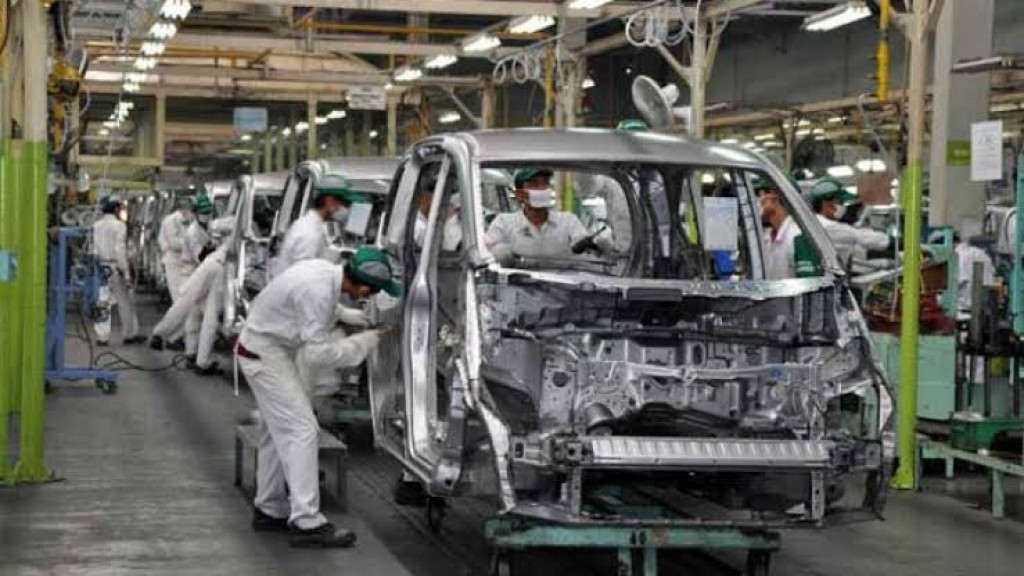
Pabrik Mobil Semakin Gencar Kembangkan Produksi di Indonesia

WWW.SICKOFYOURCRAP.COM – Industri otomotif nasional kembali bergairah. Sejumlah pabrikan mobil ternama mulai memperkuat basis produksi mereka di Indonesia. Langkah ini bukan hanya menunjukkan kepercayaan terhadap iklim investasi dalam trisula88 resmi negeri, tetapi juga membuka peluang besar bagi pertumbuhan Industri ekonomi dan penyerapan tenaga kerja.

Produsen Mobil Global Perluas Fasilitas Produksi

Banyak produsen otomotif internasional yang menilai Indonesia sebagai pasar strategis di kawasan Asia Tenggara. Mereka tidak hanya fokus pada penjualan, tetapi juga mulai menanamkan investasi untuk membangun fasilitas produksi yang lebih modern dan efisien.

Langkah ini terlihat dari beberapa ekspansi pabrik yang telah dilakukan sepanjang tahun 2025. Sebut saja perluasan fasilitas produksi oleh merek-merek asal Jepang, Korea, dan Jerman yang kini semakin aktif meningkatkan kapasitas lini produksinya di Indonesia.

Alasan Indonesia Jadi Pilihan Utama

Ada beberapa faktor yang membuat Indonesia menarik bagi produsen mobil global. Pertama, pasar domestik yang besar dan terus berkembang. Kedua, lokasi geografis yang strategis untuk kegiatan ekspor ke negara-negara tetangga.

pemerintah Indonesia juga memberikan banyak insentif kepada investor otomotif. Mulai dari kemudahan perizinan, keringanan pajak, hingga dukungan infrastruktur yang memadai di kawasan industri otomotif seperti Karawang dan Cikarang.

Dengan dukungan tersebut, pelaku industri merasa lebih yakin untuk memperkuat rantai pasok dan produksi mereka di Tanah Air.

Dorongan Menuju Kendaraan Ramah Lingkungan

Pemerintah juga mendorong percepatan produksi kendaraan listrik. Hal ini sejalan dengan target nasional untuk mengurangi emisi karbon dan memperluas penggunaan kendaraan ramah lingkungan.

Pabrikan otomotif pun mulai merespons dengan membangun pabrik perakitan mobil listrik dan baterai kendaraan. Beberapa perusahaan bahkan telah mengumumkan rencana investasi jangka panjang mereka di sektor ini.

Langkah ini tidak hanya mendukung transformasi energi nasional, tetapi juga membuka peluang kerja di sektor teknologi tinggi dan riset otomotif.

Dampak Positif bagi Perekonomian Nasional

Ekspansi pabrik otomotif jelas memberikan dampak positif bagi Indonesia. Salah satunya adalah meningkatnya penyerapan tenaga kerja lokal, baik di sektor manufaktur maupun jasa pendukung lainnya. Selain itu, pertumbuhan industri komponen juga terdorong karena meningkatnya permintaan dari pabrikan besar.

Dengan memperkuat industri dalam negeri, Indonesia juga berpeluang menjadi pusat ekspor kendaraan ke pasar global. Beberapa model mobil produksi lokal bahkan sudah dikirim ke negara-negara Asia, Timur Tengah, hingga Afrika.

Masa Depan Cerah Industri Otomotif Indonesia

Kehadiran investasi baru dan perluasan pabrik dari berbagai produsen otomotif menunjukkan bahwa Indonesia memiliki potensi besar sebagai basis produksi regional. Dengan dukungan kebijakan pemerintah dan semangat kolaborasi antara sektor swasta dan publik, industri otomotif dalam negeri akan terus berkembang.

Kini saatnya Indonesia mengambil peran lebih besar dalam rantai pasok otomotif dunia. Dengan fokus pada inovasi, efisiensi, dan keberlanjutan, masa depan industri otomotif nasional tampak semakin menjanjikan.

Flying Green: Aircraft Noise and Environmental Impact

sickofyourcrap.com – The aviation industry has long been a cornerstone of global connectivity, facilitating trade, tourism, and cultural exchange. However, as the demand for air travel continues to rise, so too do the environmental concerns associated with it. Aircraft noise and emissions are among the most pressing issues facing the industry today. This article explores the impact of aircraft noise on communities and the environment, and discusses the strategies being implemented to reduce these effects, promoting a more sustainable future for aviation.

The Impact of Aircraft Noise on Communities

Aircraft noise is a significant source of environmental noise pollution, affecting millions of people living near airports. The constant exposure to loud engine sounds can lead to stress, sleep disturbances, and even health issues such as cardiovascular diseases. Moreover, noise pollution can reduce property values and negatively impact the quality of life for residents in the vicinity of airports.

Environmental Impact of Aircraft Emissions

Beyond noise, aircraft emissions are a critical concern. Aviation contributes to air pollution and climate change through the release of carbon dioxide (CO2), nitrogen oxides (NOx), and other harmful substances. These emissions not only affect the atmosphere but also contribute to the formation of contrails and cirrus cloud formation, which can further influence the Earth’s climate.

Flying Green: Strategies for Reducing Aircraft Noise and Emissions

Technological Advancements

Aircraft manufacturers are continuously developing new technologies to reduce noise and emissions. The introduction of quieter engines and more fuel-efficient aircraft designs can significantly lower the environmental footprint of air travel. For instance, the use of composite materials and advanced aerodynamics can improve fuel efficiency, while new engine technologies can reduce noise levels.

Operational Measures

Airports and airlines are implementing operational measures to mitigate noise and emissions. This includes optimizing flight paths to avoid populated areas, implementing noise abatement procedures during takeoff and landing, and scheduling night flights to minimize disturbance to communities.

Sustainable Aviation Fuels

The development and adoption of sustainable aviation fuels (SAFs) are crucial for reducing the carbon footprint of air travel. SAFs are derived from renewable sources such as plants, waste oils, and algae, and can significantly reduce the lifecycle CO2 emissions of aircraft. Airlines and governments are increasingly investing in SAF production and certification to make them a viable alternative to traditional jet fuel.

Electric and Hybrid Aircraft

The future of aviation may also lie in electric and hybrid-electric aircraft. These innovative aircraft designs promise zero or near-zero emissions and significantly reduced noise levels. While still in the early stages of development, electric and hybrid aircraft could revolutionize short-haul flights and regional aviation, paving the way for a quieter and cleaner future.

Conclusion

Aircraft noise and emissions pose significant challenges to the sustainability of the aviation industry. However, through technological innovation, operational improvements, and the adoption of sustainable fuels, the industry is making strides towards a greener future. As the demand for air travel continues to grow, it is imperative that the industry continues to invest in and implement these solutions to ensure that flying remains not only convenient but also environmentally responsible.