Pesona Anjing Minipom: Si Kecil yang Menggemaskan dan Penuh Energi

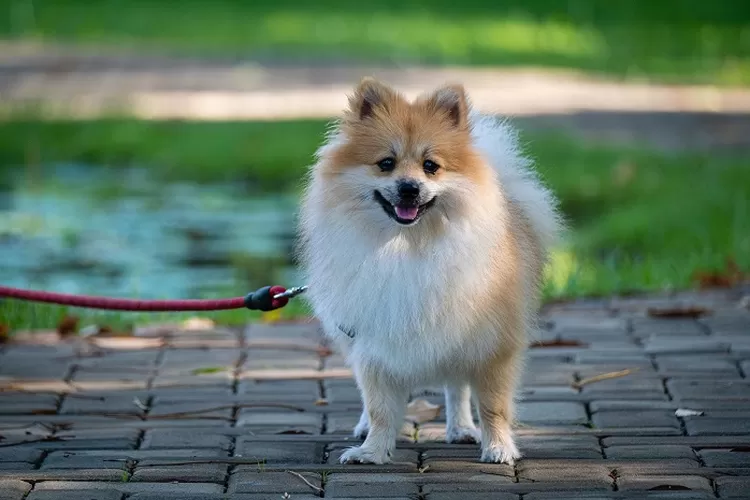
Anjing Miniature Pomeranian, atau Minipom, memikat hati medusa88  banyak pecinta anjing dengan pesona dan energinya yang melimpah. Meskipun berukuran kecil, Minipom memiliki kepribadian besar yang menarik perhatian dan kasih sayang dari siapa pun yang bertemu dengannya.

Minipom dikenal dengan bulunya yang lebat dan berkilau, yang menambah daya tarik visual mereka. Pemilik sering menikmati rutinitas merawat bulu Minipom untuk memastikan mantel mereka tetap indah dan sehat. Dengan perawatan yang tepat, Minipom selalu tampil menggemaskan dan menawan.

Di balik penampilan menggemaskannya, Minipom adalah hewan peliharaan yang penuh energi. Mereka menyukai bermain dan berlarian, serta membutuhkan aktivitas fisik yang cukup untuk menyalurkan semangat mereka. Pemilik bisa mengajak mereka berjalan-jalan atau bermain di taman untuk menjaga kebugaran dan kebahagiaan mereka.

Minipom juga dikenal sebagai anjing yang cerdas dan tanggap. Mereka cepat belajar trik baru dan menikmati tantangan mental seperti permainan puzzle. Melatih Minipom bisa menjadi pengalaman yang menyenangkan dan memuaskan, karena mereka sangat responsif terhadap pujian dan hadiah.

Sifat sosial Minipom membuat mereka cocok menjadi anggota keluarga. Mereka senang bersosialisasi dengan manusia dan hewan lain, meskipun perlu diingat bahwa sosialisasi sejak dini penting untuk membantu mereka merasa nyaman di berbagai situasi.

Meski kecil, Minipom memiliki insting pelindung yang kuat. Mereka sering kali waspada terhadap lingkungan sekitar dan tidak ragu untuk memberi tahu pemiliknya jika ada hal yang mencurigakan. Namun, karena ukurannya yang mungil, mereka lebih cocok sebagai anjing pendamping daripada penjaga.

Dengan pesona, energi, dan kecerdasannya, Minipom menjadi sahabat yang sempurna bagi banyak orang. Mereka membawa keceriaan dan cinta ke dalam kehidupan pemiliknya, membuat setiap hari terasa lebih berwarna dan menyenangkan.

Managing & Reducing Allergic Reactions to Pets in Your Home

sickofyourcrap.com – Living with pets can be a joy, but for those with allergies, it can also be a source of discomfort. Pet allergies are common, affecting millions of people worldwide. However, with the right strategies and management techniques, it’s possible to reduce allergic reactions and enjoy a harmonious life with your furry friends. Here are some effective ways to manage and reduce pet allergies in your home.

Choosing Hypoallergenic Pets

One of the first steps in managing pet allergies is to choose a pet that is less likely to trigger allergic reactions. Hypoallergenic pets, such as certain breeds of dogs and cats, produce fewer allergens. These pets can be a good option for allergy sufferers, although it’s important to note that no pet is completely non-allergenic.

Cleaning Techniques

Regular cleaning is crucial in reducing pet allergens in your home. Here are some effective cleaning tips:

  1. Vacuum Regularly: Use a vacuum cleaner with a HEPA filter to capture small particles that can trigger allergies. Vacuuming should be done at least once a week to remove pet dander and hair.
  2. Wash Pet Bedding: Regularly wash your pet’s bedding in hot water to kill allergens and remove loose hair and dander.
  3. Bathe Your Pet: Frequent baths can help reduce the amount of allergens your pet sheds. Bathing your pet once a week can significantly reduce the amount of dander and saliva in your home.

Home Environment Modifications

Modifying your home environment can also help reduce pet allergens:

  1. Flooring: Replace wall-to-wall carpeting with hard flooring such as wood, tile, linoleum, or vinyl. These surfaces are easier to clean and do not harbor allergens as much as carpets.
  2. Air Purifiers: Use air purifiers with HEPA filters to remove allergens from the air. These devices can be particularly effective in bedrooms and living areas where you spend most of your time.
  3. Allergy-Free Zones: Create an “allergy-free” zone in your home, preferably the bedroom of the person with allergies. Keep pets out of this area to minimize exposure to allergens.

Other Management Strategies

  1. Medication: For some, over-the-counter or prescription medications can help manage allergy symptoms. Antihistamines, nasal sprays, and eye drops can provide relief from sneezing, itching, and watery eyes.
  2. Consultation with Professionals: It may be beneficial to consult with an allergist or a healthcare provider who can provide personalized advice and possibly conduct allergy testing to better understand your specific triggers and treatment options.

Conclusion

Living with pet allergies doesn’t have to mean giving up your pets. By implementing these strategies, you can significantly reduce allergic reactions and enjoy a healthier, happier home environment. Whether it’s choosing the right pet, maintaining a clean home, or consulting with professionals, there are many ways to manage pet allergies effectively.

The Fastest, Strongest, and Most Agile: Animal Athletes

sickofyourcrap.com – In the wild, survival often depends on an animal’s physical prowess. From the swift cheetah to the powerful gorilla, nature is filled with athletes that outperform humans in speed, strength, and agility. These animal athletes have evolved to be the best in their respective categories, showcasing the incredible diversity and adaptability of life on Earth. Let’s take a closer look at some of the most impressive animal athletes in terms of speed, strength, and agility.

The Fastest: The Cheetah

When it comes to speed, the cheetah (Acinonyx jubatus) is the undisputed champion of the animal kingdom. Capable of reaching speeds up to 75 miles per hour (120 kilometers per hour) in just a few seconds, the cheetah can accelerate faster than most sports cars. This incredible burst of speed is made possible by their specialized body structure, including long legs, a flexible spine, and a small, lightweight frame. However, this speed comes at a cost; cheetahs can only maintain their top speeds for short distances before they must rest.

The Strongest: The Gorilla

Strength is the domain of the gorilla (Gorilla gorilla). Male gorillas can weigh up to 400 pounds (180 kilograms) and are known for their incredible muscular power. They are capable of lifting ten times their own body weight, which is equivalent to a 150-pound human lifting a mid-sized car. Gorillas use their strength to move through their habitat, intimidate rivals, and protect their group. Their physical prowess is a result of their robust skeletal structure and highly developed musculature, particularly in their arms and back.

The Most Agile: The Squirrel

Agility is the ability to move quickly and easily, and the squirrel is the epitome of this trait. Squirrels are small rodents known for their ability to climb, jump, and maneuver through trees with remarkable ease. They can change direction mid-air, perform tightrope walks on thin branches, and execute acrobatic leaps from tree to tree. This agility is crucial for their survival, as it helps them escape predators, forage for food, and navigate their complex arboreal environment.

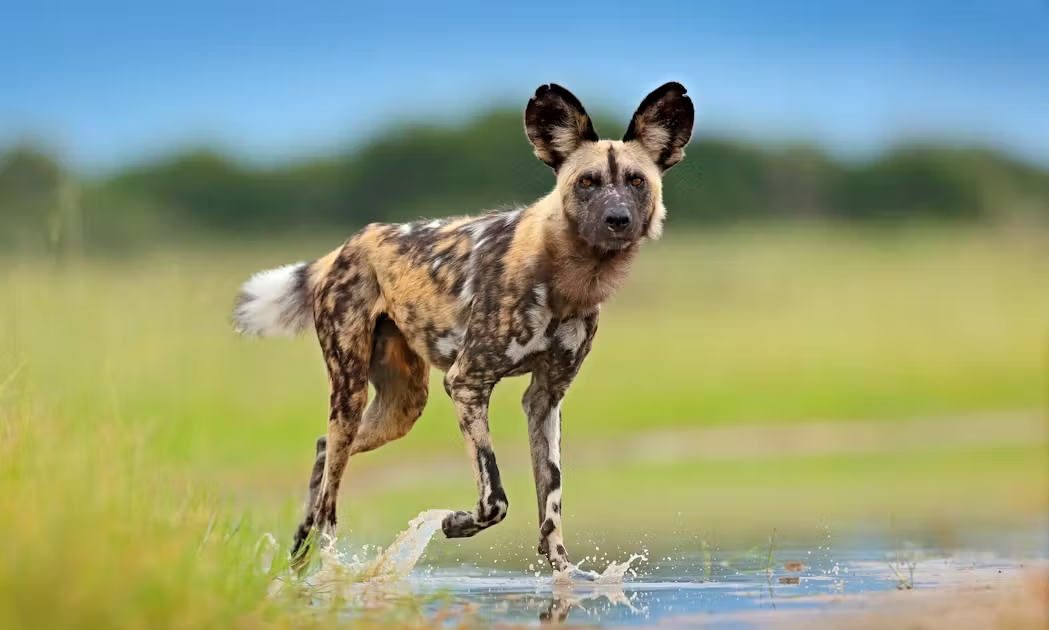
The Most Enduring: The African Wild Dog

While not the fastest or the strongest, the African wild dog (Lycaon pictus) is one of the most enduring animal athletes. Capable of maintaining speeds of 30 miles per hour (48 kilometers per hour) for several miles, these pack hunters can cover up to 30 miles (48 kilometers) in a single chase. Their endurance is a result of a highly efficient respiratory system, a lean build, and a remarkable ability to regulate their body temperature, allowing them to pursue prey over long distances without overheating.

The Most Versatile: The Dolphin

Dolphins are not only intelligent but also incredibly versatile athletes. They can swim at speeds of up to 20 miles per hour (32 kilometers per hour), leap out of the water, and perform complex acrobatic maneuvers. Their agility in the water is due to their streamlined bodies, powerful tail flukes, and the ability to control their buoyancy through their blowholes. Dolphins use their athletic abilities to catch prey, communicate with others, and even play.

Conclusion

The animal kingdom is filled with athletes that excel in various physical feats. From the blistering speed of the cheetah to the brute strength of the gorilla, and the agility of the squirrel, these creatures demonstrate the incredible range of physical capabilities that have evolved in response to the demands of their environments. As we marvel at these animal athletes, we can’t help but appreciate the beauty and complexity of the natural world and the incredible adaptations that make these feats possible.

The Enigmatic Elegance of the Green Tree Python

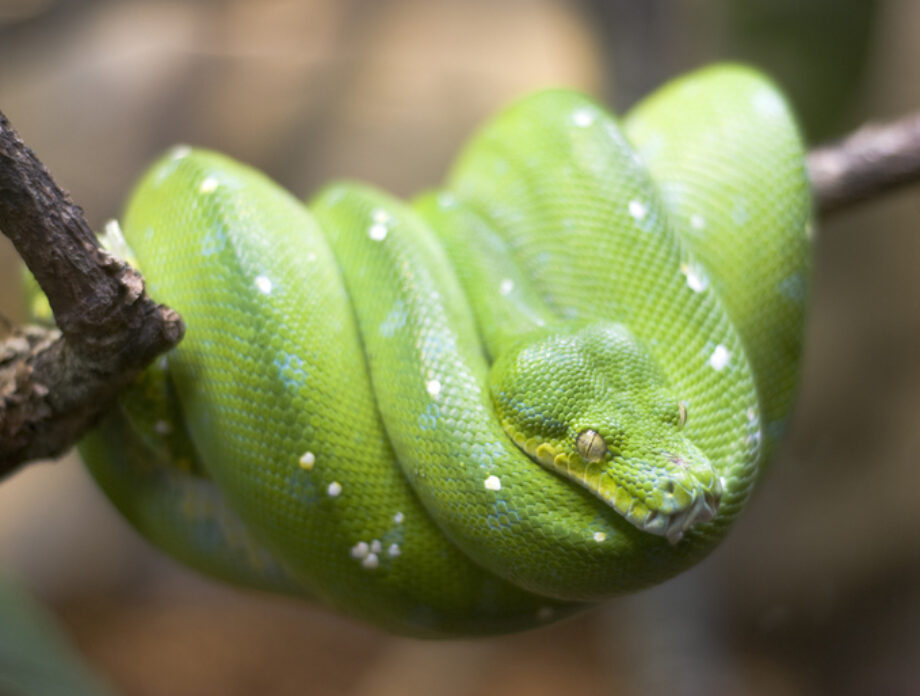
The green tree python, scientifically known as Morelia viridis, is a species of snake that captivates the imagination with its vibrant coloration and graceful demeanor. Native to the tropical rainforests of New Guinea and the surrounding islands, this arboreal snake is a master of camouflage, blending seamlessly into the lush foliage of its natural habitat. In this article, we will explore the fascinating world of the green tree python, delving into its physical characteristics, behavior, and conservation status.

Physical Characteristics:
The green tree python is easily recognized by its stunning emerald green color, which is a remarkable adaptation for camouflage in its verdant surroundings. However, this species exhibits a range of colors, including yellow, blue, and even red, depending on the age, location, and mood of the individual. Juveniles, for instance, are often born with a bright yellow or orange coloration that gradually transitions to green as they mature.

These snakes are medium-sized, with adults typically reaching lengths of 4 to 6 feet. They have a slender body, which is perfectly suited for navigating the narrow branches of the rainforest canopy. Their scales are smooth and glossy, enhancing their ability to move effortlessly through the trees.

Behavior:
The green tree python is primarily nocturnal, spending the day coiled among the branches and becoming active at night to hunt. It is an ambush predator, relying on its excellent camouflage to lie in wait for unsuspecting prey. Its diet mainly consists of small mammals, birds, and reptiles, which it captures using a rapid strike and then constricts until the prey is immobilized.

Despite their predatory nature, green tree pythons are generally not aggressive towards humans. They are known for their docile temperament when handled properly, which has made them popular among reptile enthusiasts and in the pet trade.

Reproduction:
Green tree pythons are oviparous, meaning they lay eggs. The breeding season typically coincides with the rainy season in their native habitat. Females will lay a clutch of eggs and then coil around them to protect them from predators and to maintain the necessary incubation temperature. The male plays no role in the care of the eggs, which hatch after approximately 60 to 90 days.

Conservation Status:
The green tree python is currently listed as Least Concern by the International Union for Conservation of Nature (IUCN). However, it faces threats from habitat destruction due to deforestation and human encroachment. Additionally, the illegal wildlife trade can disrupt local populations, as poachers capture these snakes for the exotic pet market.

Efforts to conserve the green tree python and its habitat include the establishment of protected areas and the enforcement of wildlife trade regulations. Conservationists also work to educate local communities about the importance of preserving biodiversity and the delicate balance of ecosystems.

Conclusion:
The green tree python is a symbol of the beauty and mystery that the natural world holds. Its striking appearance and unique behaviors make it a subject of fascination for scientists and nature enthusiasts alike. As we continue to learn more about this remarkable species, it is crucial that we take steps to ensure its survival in the wild. By protecting its habitat and regulating its trade, we can help safeguard the green tree python for future generations to appreciate and admire.