UpMisiones: Membangun Jembatan Sosial Global untuk Perubahan yang Lebih Baik

upmisiones hadir sebagai sebuah platform digital yang berfokus pada penciptaan perubahan sosial global melalui kolaborasi internasional. Dalam dunia yang semakin terhubung, tantangan sosial seperti kemiskinan, ketidaksetaraan pendidikan, dan akses kesehatan memerlukan aksi kolektif yang melibatkan berbagai pihak, tidak hanya dari satu negara, tetapi seluruh dunia. UpMisiones berperan sebagai jembatan yang menghubungkan individu, organisasi, dan relawan dari berbagai penjuru dunia untuk berkolaborasi dalam proyek-proyek sosial yang berdampak besar.

Dengan menyediakan akses mudah ke berbagai inisiatif sosial global, Up Misiones memungkinkan setiap orang, tanpa memandang lokasi geografis, untuk berpartisipasi dalam perubahan sosial. Platform ini tidak hanya memudahkan relawan untuk menemukan proyek yang sesuai dengan minat mereka, tetapi juga mengoptimalkan pengelolaan dan pelaksanaan proyek-proyek tersebut. Organisasi sosial dapat mengakses sumber daya yang dibutuhkan untuk mencapai tujuan mereka, baik berupa tenaga relawan, dana, maupun dukungan teknis.

Up Misiones juga memperkenalkan cara baru dalam penggalangan dana untuk proyek sosial. Dengan fitur crowdfunding yang terintegrasi, platform ini memungkinkan individu untuk menyumbang kepada proyek-proyek kemanusiaan yang mereka pedulikan, memberikan dampak langsung pada upaya untuk mengatasi masalah sosial. Transparansi dalam pengelolaan dana memastikan bahwa setiap kontribusi digunakan dengan bijak dan sesuai tujuan yang telah ditetapkan.

Lebih dari sekadar menyatukan relawan dan proyek sosial, UpMisiones menciptakan sebuah komunitas global yang saling mendukung dan bekerja bersama untuk mewujudkan dunia yang lebih baik. Dengan teknologi sebagai fondasi, platform ini membuka jalan bagi perubahan yang lebih inklusif, adil, dan berkelanjutan di seluruh dunia. UpMisiones membuktikan bahwa kolaborasi global dapat menciptakan dampak sosial yang lebih luas dan mendalam, membangun jembatan sosial yang lebih kuat untuk perubahan yang lebih baik.


Mastering the Art of Teaching: The Power of Pedagogy

sickofyourcrap.com – Teaching is an art form that requires a blend of knowledge, empathy, and creativity. At its core, pedagogy is the method and practice of teaching, which encompasses a wide range of strategies and philosophies aimed at facilitating learning and enhancing understanding. In this article, we will explore the power of pedagogy and how mastering this art can transform the educational experience for both teachers and students.

Understanding Pedagogy

Pedagogy is not a one-size-fits-all approach. It is a dynamic process that involves understanding the needs of learners, selecting appropriate teaching methods, and continuously evaluating the effectiveness of those methods. Effective pedagogy is rooted in a deep understanding of how people learn and what motivates them.

The Role of the Teacher

At the heart of pedagogy is the teacher. A master teacher is not just a disseminator of information but a facilitator of learning. They create an environment where students feel safe to explore, make mistakes, and grow. The role of the teacher is to guide students on their learning journey, providing support and resources tailored to individual needs.

Tailoring Pedagogy to Different Learning Styles

One of the key aspects of effective pedagogy is recognizing that students have different learning styles. Some may be visual learners, while others may learn best through auditory or kinesthetic methods. A skilled teacher will use a variety of teaching strategies to cater to these different styles, ensuring that all students have the opportunity to succeed.

The Importance of Assessment

Assessment is a critical component of pedagogy. It is not just about grading; it is about understanding what students know and what they need to learn next. Formative assessments, which provide ongoing feedback, are particularly powerful as they allow teachers to adjust their teaching strategies in real-time to meet the needs of their students.

Technology in Pedagogy

In the 21st century, technology has become an indispensable tool in education. From interactive whiteboards to online learning platforms, technology can enhance pedagogy by making learning more engaging and accessible. However, it is important for teachers to use technology judiciously, ensuring that it supports learning objectives rather than distracting from them.

Continuous Professional Development

Mastering the art of teaching is a lifelong journey. Teachers must commit to continuous professional development, staying abreast of the latest research in education and constantly refining their practice. This commitment not only benefits the teacher but also the students they serve.

Conclusion

The power of pedagogy lies in its ability to transform lives. By mastering the art of teaching, educators can create environments where students are inspired to learn, grow, and achieve their full potential. It is a challenging but incredibly rewarding endeavor that requires dedication, empathy, and a passion for making a difference in the world.

The Global Quest for Unique Adornments: Jewelry Journeys

sickofyourcrap.com – In the vast tapestry of human culture, jewelry has always played a pivotal role, serving not only as a form of personal adornment but also as a symbol of status, wealth, and identity. From the ancient Egyptians’ intricate gold work to the delicate filigree of the Etruscans, the history of jewelry is a testament to human creativity and craftsmanship. Today, the quest for unique adornments transcends borders, leading jewelry enthusiasts on a global journey to discover the stories, techniques, and materials that make each piece a treasure.

The Allure of Ancient Techniques

One of the most captivating aspects of jewelry exploration is the rediscovery of ancient techniques. In India, for example, the art of Meenakari, a labor-intensive process of enameling gold or silver jewelry with vibrant colors, has been practiced for centuries. Each piece tells a story of tradition, skill, and patience, offering a glimpse into the rich cultural heritage of the region.

The Quest for Rare Materials

The global quest for unique adornments also leads to the discovery of rare and exotic materials. From the deep blue of lapis lazuli mined in Afghanistan to the iridescent shimmer of abalone shells from the Pacific coast, these materials add a touch of the extraordinary to jewelry. The hunt for such materials often takes adventurers to remote corners of the world, where the beauty of nature is captured in wearable art.

Cultural Fusion in Modern Design

In the contemporary jewelry scene, there is a growing appreciation for cultural fusion in design. Artisans and designers are blending elements from different traditions to create pieces that are both innovative and authentic. This fusion is not just a celebration of diversity but also a reflection of our interconnected world. Whether it’s a necklace that combines the geometric patterns of African art with the fluid lines of Art Nouveau or earrings that juxtapose traditional Indian motifs with modern minimalism, these creations are a testament to the endless possibilities of jewelry design.

The Ethical Journey

As awareness of ethical sourcing and sustainability grows, the quest for unique adornments also becomes a journey of conscience. Many jewelry enthusiasts are now seeking out brands and artisans who prioritize fair trade practices, environmental responsibility, and the well-being of their craftspeople. This ethical approach not only ensures that the beauty of the jewelry is matched by the integrity of its creation but also supports communities and preserves traditions for future generations.

Conclusion

The global quest for unique adornments is more than just a search for beautiful objects; it is a journey through history, culture, and conscience. It is an opportunity to connect with the stories and skills of people from different corners of the world, to appreciate the beauty of our planet’s resources, and to wear pieces that reflect our values and identities. As we continue on this journey, we are reminded that jewelry is not just an adornment but a bridge between cultures, a celebration of craftsmanship, and a commitment to a better future.

Unconventional Paths to Success: The Education of Millionaires

sickofyourcrap.com – In a world where traditional education is often seen as the golden ticket to success, many individuals have carved out remarkable careers and amassed fortunes by taking the road less traveled. “The Education of Millionaires” is not just a concept but a reality for those who have embraced unconventional paths to achieve extraordinary success. This article delves into the stories and strategies of self-made millionaires who have bypassed traditional academic routes to become leaders in their fields.

Rethinking the Traditional Education Model

For decades, the traditional education model has been the standard pathway to a successful career. However, the rise of the digital age, the gig economy, and the increasing demand for specialized skills have challenged this norm. Many successful individuals have found that the key to their success lies not in a formal degree but in a combination of self-education, practical experience, and a relentless pursuit of their passions.

The Rise of Self-Made Millionaires

Self-made millionaires are a testament to the power of determination, creativity, and the willingness to take risks. From tech moguls like Bill Gates and Mark Zuckerberg, who dropped out of Harvard University to pursue their entrepreneurial dreams, to entertainment icons like Oprah Winfrey, who overcame significant obstacles to become a media mogul, these individuals have shown that success is not confined to a conventional educational path.

Embracing Unconventional Learning

Unconventional learning is at the heart of the education of millionaires. This approach includes online courses, workshops, mentorship programs, and hands-on experience. It’s about learning by doing, making mistakes, and adapting. For instance, Elon Musk, the founder of SpaceX and Tesla, is known for his voracious appetite for learning, often acquiring new knowledge through books and real-world application rather than formal education.

The Role of Passion and Persistence

Passion is the fuel that drives the journey to success. It’s what gets individuals out of bed in the morning and keeps them going when the going gets tough. Persistence, on the other hand, is the grit that ensures they keep moving forward despite setbacks. The stories of millionaires who have taken unconventional paths are replete with examples of how passion and persistence can lead to remarkable achievements.

Networking and Mentorship

Building a strong network and finding mentors are crucial for navigating the unconventional path to success. Networking provides opportunities for collaboration, learning, and growth, while mentors offer guidance, support, and wisdom. Successful individuals often credit their networks and mentors with playing pivotal roles in their journeys.

The Importance of Adaptability

In today’s fast-paced and ever-changing world, adaptability is a key trait for success. Unconventional paths are rarely linear, and the ability to pivot, learn new skills, and embrace change is essential. Millionaires who have forged their own paths understand the importance of staying flexible and open to new opportunities.

Conclusion

“The Education of Millionaires” is a powerful reminder that success comes in many forms and can be achieved through various paths. While traditional education has its place, it is not the only route to a fulfilling and prosperous career. By embracing self-education, practical experience, and a relentless pursuit of their passions, individuals can create their own paths to success, proving that sometimes, the unconventional route is the most rewarding one.

The Height of High-End: The Globe’s Most Exclusive Items

sickofyourcrap.com – In a world where luxury is no longer just about the finest materials and craftsmanship, but also about exclusivity, rarity, and the ultimate in bespoke experiences, there exists a tier of items that stand head and shoulders above the rest. These are the pinnacles of high-end living, the epitome of exclusivity, and the ultimate status symbols for those who can afford them. From one-of-a-kind automobiles to bespoke real estate, and from rare jewels to exclusive experiences, we delve into the realm of the globe’s most exclusive items.

Automobiles: The Pinnacle of Engineering and Luxury

The automotive industry is home to some of the most exclusive items on the planet. Brands like Bugatti, Koenigsegg, and Pagani produce hypercars that are not only engineering marvels but also works of art. The Bugatti La Voiture Noire, for example, is one of the most expensive cars ever sold, with a price tag of $18.7 million. It’s not just the performance or the design that commands such a premium; it’s the exclusivity. Only one was ever made, making it the ultimate collector’s item.

Real Estate: Homes Beyond Imagination

Real estate is another arena where exclusivity reigns supreme. From private islands to penthouses with panoramic views of the world’s most iconic skylines, the most exclusive properties are often about more than just the buildings themselves. They offer privacy, security, and a lifestyle that is unattainable for most. The most expensive penthouse in the world, located in Monaco, is said to have sold for over $300 million. It’s not just the address that makes it exclusive; it’s the bespoke interiors, the unparalleled views, and the sheer opulence of the living experience.

Jewelry: Rare Gems and Bespoke Designs

Jewelry has long been a symbol of wealth and status, but the most exclusive pieces are those that feature rare gemstones and bespoke designs. The Pink Star diamond, for example, is a 59.60-carat pink diamond that sold for $71.2 million at a Sotheby’s auction. It’s not just the size or the color that makes it so valuable; it’s the rarity and the quality of the stone. Bespoke jewelry, designed and crafted for a single individual, also falls into this category. These pieces are often passed down through generations, becoming family heirlooms.

Experiences: Money Can Buy Happiness

For some, the ultimate luxury is not a physical item but an experience. Exclusive experiences can range from private concerts with world-renowned musicians to once-in-a-lifetime adventures like space tourism. Virgin Galactic and Blue Origin are offering tickets to the edge of space, with prices starting at around $250,000. These experiences are not just about the thrill; they’re about being part of a select group of individuals who have had access to something truly unique.

Art: The Ultimate Status Symbol

Art has always been a high-end investment, but certain pieces transcend the ordinary to become the ultimate status symbols. Works by artists like Leonardo da Vinci, Pablo Picasso, and Jean-Michel Basquiat have sold for hundreds of millions of dollars. The most expensive painting ever sold, Leonardo da Vinci’s “Salvator Mundi,” fetched $450.3 million at auction. These pieces are not just investments; they are historical artifacts, cultural touchstones, and expressions of the human experience.

Conclusion

The globe’s most exclusive items represent the pinnacle of luxury, craftsmanship, and exclusivity. They are the ultimate status symbols for those who can afford them, offering a level of rarity and bespoke experience that is unattainable for most. Whether it’s a hypercar, a penthouse in the sky, a rare gemstone, an exclusive experience, or a priceless work of art, these items are more than just possessions—they are expressions of the owner’s wealth, taste, and place in the world. For those who seek to own the best of the best, the height of high-end is a journey without a final destination, as the pursuit of exclusivity is an ever-evolving landscape.

The Key to Adapting to Change in Manufacturing: Factory Flexibility

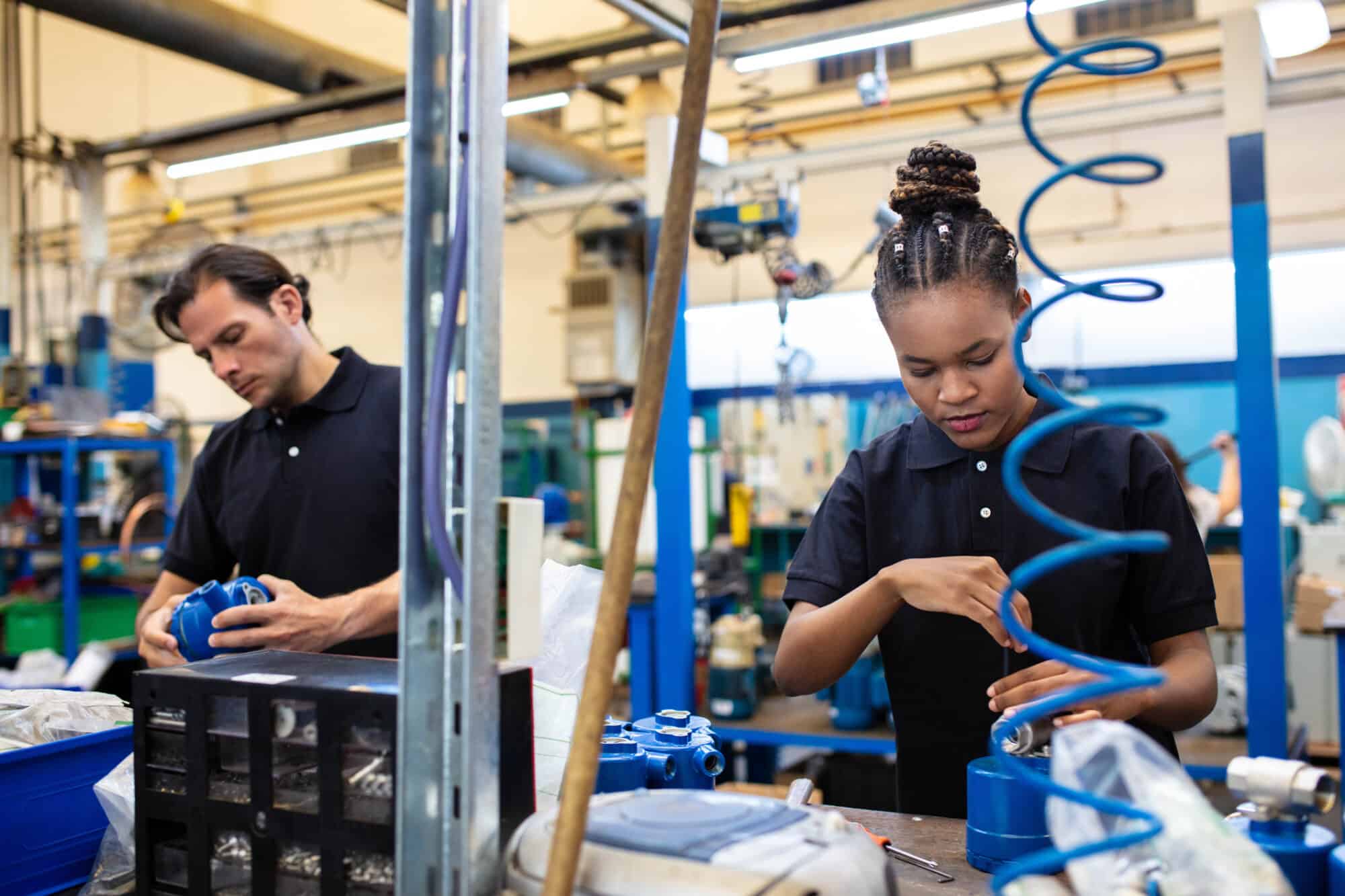
sickofyourcrap.com – In the ever-evolving landscape of manufacturing, the ability to adapt to change is no longer just an advantage; it’s a necessity. The modern manufacturing environment is characterized by rapidly changing consumer demands, technological advancements, and global competition. To survive and thrive in this dynamic setting, manufacturers must embrace factory flexibility—the capacity to quickly and efficiently adjust production processes, product lines, and supply chains in response to these changes.

Understanding Factory Flexibility

Factory flexibility refers to the ability of a manufacturing facility to alter its operations in response to internal or external stimuli. This can include changes in product design, volume, or even the introduction of new products. It encompasses both the physical and operational aspects of a factory, including machinery, workforce, and processes.

The Importance of Flexibility

  1. Responding to Market Demands: Consumer preferences can shift rapidly, and manufacturers must be able to adjust their production to meet these changing demands. Flexibility allows companies to quickly pivot to new products or modify existing ones, ensuring they remain competitive.
  2. Reducing Time-to-Market: In today’s fast-paced world, getting products to market quickly can be the difference between success and failure. A flexible manufacturing setup can significantly reduce the time from design to production, allowing companies to capitalize on trends and opportunities as they arise.
  3. Cost Efficiency: While flexibility might seem to imply higher costs due to the need for versatile equipment and skilled labor, it can actually lead to cost savings in the long run. By reducing waste, minimizing downtime, and optimizing inventory levels, manufacturers can achieve leaner operations and improved profitability.
  4. Risk Mitigation: The manufacturing sector is prone to disruptions, from supply chain issues to geopolitical events. A flexible factory can better absorb these shocks, quickly adapting production to mitigate risks and maintain output.

Implementing Factory Flexibility

  1. Modular Production Lines: Designing production lines that are modular and easily reconfigurable allows for quick changes in product mix and volume. This can be achieved through the use of flexible manufacturing systems (FMS) that can handle a variety of tasks.
  2. Advanced Technology: Technologies such as Industry 4.0, IoT, and AI can enhance factory flexibility by providing real-time data and enabling predictive maintenance, automated quality control, and smart logistics.
  3. Skilled Workforce: A flexible workforce is crucial. Training employees to be versatile and capable of operating multiple machines or processes can significantly enhance a factory’s adaptability.
  4. Supply Chain Agility: Collaborating closely with suppliers and having alternative sources for critical components can help mitigate supply chain disruptions and maintain production flexibility.

Conclusion

In the face of constant change, factory flexibility is not just a strategy; it’s a survival mechanism. By embracing flexibility, manufacturers can transform challenges into opportunities, respond swiftly to market demands, and maintain a competitive edge. As the manufacturing landscape continues to evolve, those who prioritize flexibility will be best positioned to thrive in the future of production.

Rich Kids on the Rise: The Next Generation of Billionaires

sickofyourcrap.com – In the ever-evolving landscape of wealth and influence, a new breed of billionaires is emerging, poised to shape the future of global economies, philanthropy, and innovation. These are the rich kids on the rise, heirs and heiresses to some of the world’s most formidable fortunes, who are not just inheriting wealth but are also carving out their own paths in the realms of technology, sustainability, and social entrepreneurship. This article delves into the characteristics, challenges, and potential impacts of this next generation of billionaires.

The Rise of Young Wealth

The next generation of billionaires is not just about inherited wealth; it’s about the intersection of legacy, innovation, and a fresh perspective on global challenges. Many of these young moguls are leveraging their access to capital, education, and networks to make significant strides in industries ranging from tech to fashion, from renewable energy to space exploration. They are not just beneficiaries of their family’s wealth but are actively contributing to the creation of new wealth and value.

Characteristics of the Next Gen Billionaires

  1. Tech-Savvy and Innovative: Growing up in the digital age, these young entrepreneurs are inherently tech-savvy. They are not only consumers of technology but are also driving innovation in sectors like artificial intelligence, blockchain, and biotechnology.
  2. Socially Conscious: Unlike previous generations, the new wave of billionaires is deeply conscious of social and environmental issues. Many are channeling their resources into sustainable development, climate change mitigation, and social entrepreneurship, aiming to create a positive impact alongside profit.
  3. Global and Diverse: This generation is more global and diverse than ever before. They are not confined by geographical boundaries and are often fluent in multiple languages, with a keen understanding of different cultures. This global perspective is reflected in their business strategies and philanthropic efforts.

Challenges and Criticisms

Despite their potential to drive positive change, the next generation of billionaires faces significant challenges and criticisms. One of the primary concerns is the issue of inequality. As they amass wealth, there’s a growing expectation that they will also address the widening gap between the rich and the poor. Additionally, there’s skepticism about whether their initiatives are genuinely impactful or merely PR stunts to polish their public image.

The Future Impact

The next generation of billionaires has the potential to significantly impact the world in ways that are both positive and transformative. Their focus on technology and sustainability could lead to breakthroughs in solving some of the world’s most pressing problems. Moreover, their approach to philanthropy, which often involves leveraging technology and data to address social issues, could redefine the landscape of giving.

However, the true measure of their impact will depend on their ability to navigate the complexities of wealth, power, and responsibility. It will require a delicate balance between leveraging their resources for personal and professional growth while also contributing meaningfully to the betterment of society.

Conclusion

The next generation of billionaires stands at the cusp of a new era, where wealth and influence are increasingly intertwined with the imperative to address global challenges. As they rise to prominence, the world watches with anticipation to see how they will wield their power and whether they will be the architects of a more equitable and sustainable future. The journey of these young moguls is just beginning, and their legacy is yet to be written.