
A Tale of Magic and Destiny: The Enchanted Amulet

sickofyourcrap.com – In the heart of an ancient forest, where the trees whisper secrets of old and the air shimmers with the remnants of forgotten spells, lies the legend of the Enchanted Amulet. This amulet, a relic of immense power, has been the subject of countless tales, each weaving a thread into the tapestry of its mystical allure. The Enchanted Amulet is not merely an artifact; it is a key to unlocking the deepest mysteries of the universe, a beacon for those who seek to understand the intricate dance between fate and free will.

The Origins of the Amulet

The origins of the Enchanted Amulet are shrouded in mystery, with its creation lost to the mists of time. Legend has it that the amulet was forged by the gods themselves, a gift to humanity that could either be its greatest blessing or its most perilous curse. It is said that the amulet possesses the power to grant its bearer their heart’s deepest desire, but at a cost that only the bravest or the most foolish would dare to pay.

The Quest for the Amulet

Throughout the ages, many have embarked on the quest for the Enchanted Amulet, driven by desires as varied as the stars in the sky. Some sought power, others knowledge, and a few, redemption. The path to the amulet is fraught with danger, guarded by creatures of myth and magic, each a test of the seeker’s resolve. The forest itself seems alive, its paths ever-changing, leading the unwary astray or into the jaws of waiting beasts.

The Power of the Amulet

The true power of the Enchanted Amulet is a matter of much speculation. Some believe it can control the elements, bend the will of others, or even grant immortality. Others whisper of its ability to open portals to other worlds or to reveal the future. Yet, all agree on one thing: the amulet’s power is boundless, and its use can have unforeseen consequences.

The Curse of the Amulet

For every tale of the amulet’s wonders, there is a counterpoint of its curses. Those who have claimed the amulet and used its power for selfish ends have found themselves cursed, their lives unraveling as the magic consumes them from within. The amulet is a mirror, reflecting the true nature of its bearer. To wield its power with wisdom and compassion is to unlock its greatest secrets; to use it for ill is to invite doom.

The Legacy of the Amulet

The Enchanted Amulet remains a symbol of the eternal struggle between light and darkness, a reminder that with great power comes great responsibility. Its legend continues to inspire and caution, a beacon for those who dream of a world beyond the veil of the ordinary. Whether the amulet truly exists or is merely a metaphor for the human spirit’s unquenchable thirst for the extraordinary, its story endures, a testament to the enduring power of magic and the mysteries that lie just beyond our grasp.

In the end, the Enchanted Amulet is more than an artifact; it is a journey, a quest for understanding, and a reflection of the eternal dance between destiny and desire. It calls to us from the shadows of the ancient forest, promising wonders and warning of perils, a symbol of the endless possibilities that lie within the realm of magic and the human heart.

A Spirited Collection of Tales: The Haunted Library

sickofyourcrap.com – In the heart of a quaint, cobblestoned town, nestled between the whispering trees and the murmuring brook, lies a library unlike any other. This is not just a repository of knowledge, but a sanctuary for the curious, the dreamers, and those who dare to explore the realms beyond the tangible. Welcome to The Haunted Library, a spirited collection of tales that will tug at the edges of your imagination and send shivers down your spine.

The library, with its gothic architecture and ancient, ivy-covered walls, has been a fixture in the town for centuries. Its towering shelves are lined with books of every genre, from the classic to the contemporary, but it is the collection of tales known as “The Spirited Chronicles” that draws the most attention. These stories are not merely written; they are experienced, each page a portal to a world where the supernatural intertwines with the everyday.

The first tale, “Whispers in the Stacks,” tells of a young librarian who hears voices in the silence of the night. As she navigates the labyrinthine aisles, she discovers that the books themselves are speaking, their pages fluttering with untold stories, their bindings creaking with the weight of history. The librarian learns that the spirits of authors past roam the library, seeking a reader to bring their unfinished tales to life.

In “The Shadow of the Card Catalog,” a curious patron discovers an entry that should not exist. Drawn to the coordinates listed, he finds himself in a section of the library that is both familiar and utterly alien. The books here are alive, their covers breathing, their titles changing before his eyes. The patron realizes he has stumbled upon a realm where reality and fiction blur, and the only way out is to write his own escape.

“The Ghost of the Reading Room” is a tale of love lost and found. A spectral figure is seen every evening in the grand reading room, always at the same table, always with the same book. It is said that the ghost is a writer who penned a masterpiece that was never published, his spirit bound to the library until his story is told. Visitors have tried to read the book, but none have been able to finish it, the words fading as the clock strikes midnight.

“The Midnight Library” is a story of a bibliophile who discovers a secret door that only appears at the stroke of twelve. Beyond the door lies a library that defies time and space, where books from the future and the past coexist. The bibliophile learns that the library is a nexus of knowledge, a place where the fates of the world are written and can be rewritten. But with this knowledge comes a heavy responsibility, for every page turned can alter the course of history.

The Haunted Library is more than just a collection of tales; it is a journey into the unknown, a celebration of the written word, and a reminder that some stories are not meant to be contained within the pages of a book. They are meant to be lived, to be breathed, to be felt.

So, as the sun sets and the shadows lengthen, dare to step inside The Haunted Library. Let the musty scent of old paper and the soft glow of candlelight guide you. Open a book, any book, and let the spirits of storytellers past carry you away to a world where every ending is just another beginning, and every tale is a whisper of the infinite possibilities that lie within the realm of the imagination.

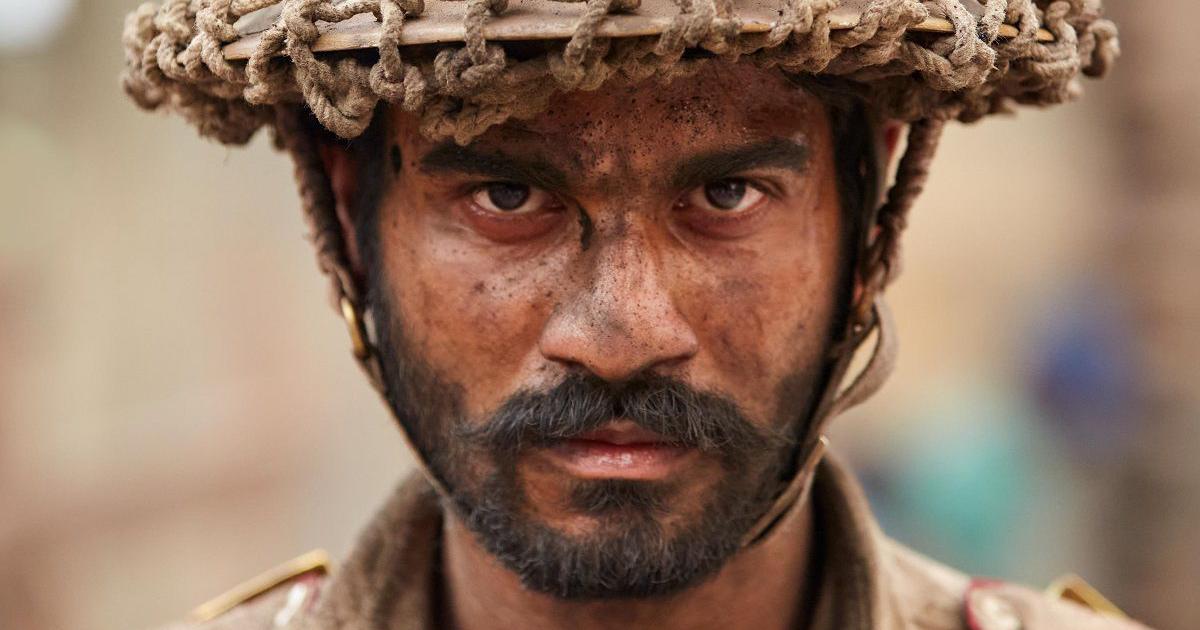
A Tale of Valor and Oblivion: The Forgotten Soldier

In the annals of history, wars are often remembered through the lens of grand strategies, pivotal battles, and the leaders who orchestrated them. However, the true essence of conflict is found in the countless individuals who lay down their lives for a cause greater than themselves. Among these, there exists a category of warriors who, despite their bravery and sacrifices, remain largely unknown to the world. They are the forgotten soldiers, whose stories are overshadowed by the broader narratives of war. This article seeks to shed light on one such soldier, whose life and service exemplify the unseen heroes of history.

The forgotten soldier we will discuss is Private Thomas Highland, a young man who fought in the First World War. Born in a small village in Scotland in 1895, Highland was a farmer’s son with a quiet demeanor and a strong sense of duty. When the war broke out in 1914, he was among the first to enlist, driven by a desire to serve his country and protect his loved ones.

Highland was assigned to the Gordon Highlanders, a prestigious infantry regiment with a storied history. He underwent rigorous training and was soon shipped off to the Western Front, where he would spend the next four years in the trenches. The conditions were brutal, with constant artillery barrages, trench raids, and the ever-present threat of gas attacks. Yet, Highland endured, displaying courage and resilience that earned him the respect of his comrades.

Despite his valor, Highland’s name does not appear in the history books. He was not a general who commanded armies or a politician who shaped the course of the war. He was a private, a rank-and-file soldier who fought and suffered alongside millions of others. His most notable action came during the Battle of the Somme in 1916, where he single-handedly captured an enemy machine gun nest, saving countless lives in his battalion. For this act, he was recommended for the Victoria Cross, the highest military honor in the British armed forces. However, due to bureaucratic errors and the chaos of war, the recommendation was lost, and Highland never received the recognition he deserved.

Highland survived the war, returning to his village a changed man. He suffered from shell shock, now known as post-traumatic stress disorder (PTSD), and struggled to reintegrate into civilian life. He lived out his days in relative obscurity, working the land and rarely speaking of his experiences. He died in 1972, at the age of 77, with only a few local newspapers noting his passing.

The story of Thomas Highland is a poignant reminder of the countless soldiers who have fought and died in anonymity. Their contributions are often overlooked, their sacrifices forgotten by the very societies they fought to protect. Yet, it is these individuals who form the backbone of every military force, the silent heroes whose bravery and endurance shape the outcome of wars.

In remembering the forgotten soldier, we pay homage to all those who have served with honor and humility. Their stories may not be etched in stone or celebrated in grand parades, but they are no less important. They are the threads that weave the fabric of history, the unsung heroes whose legacy is a testament to the human spirit’s resilience in the face of adversity.

As we reflect on the life of Thomas Highland and others like him, let us not forget the debt we owe to these silent guardians. Their sacrifices are a perpetual reminder of the cost of freedom and the importance of recognizing the contributions of every individual who has ever donned a uniform in defense of their country. The forgotten soldier may not have a monument in their honor, but they have a place in our collective memory, a place of gratitude and eternal respect.