
Managing & Reducing Allergic Reactions to Pets in Your Home

sickofyourcrap.com – Living with pets can be a joy, but for those with allergies, it can also be a source of discomfort. Pet allergies are common, affecting millions of people worldwide. However, with the right strategies and management techniques, it’s possible to reduce allergic reactions and enjoy a harmonious life with your furry friends. Here are some effective ways to manage and reduce pet allergies in your home.

Choosing Hypoallergenic Pets

One of the first steps in managing pet allergies is to choose a pet that is less likely to trigger allergic reactions. Hypoallergenic pets, such as certain breeds of dogs and cats, produce fewer allergens. These pets can be a good option for allergy sufferers, although it’s important to note that no pet is completely non-allergenic.

Cleaning Techniques

Regular cleaning is crucial in reducing pet allergens in your home. Here are some effective cleaning tips:

  1. Vacuum Regularly: Use a vacuum cleaner with a HEPA filter to capture small particles that can trigger allergies. Vacuuming should be done at least once a week to remove pet dander and hair.
  2. Wash Pet Bedding: Regularly wash your pet’s bedding in hot water to kill allergens and remove loose hair and dander.
  3. Bathe Your Pet: Frequent baths can help reduce the amount of allergens your pet sheds. Bathing your pet once a week can significantly reduce the amount of dander and saliva in your home.

Home Environment Modifications

Modifying your home environment can also help reduce pet allergens:

  1. Flooring: Replace wall-to-wall carpeting with hard flooring such as wood, tile, linoleum, or vinyl. These surfaces are easier to clean and do not harbor allergens as much as carpets.
  2. Air Purifiers: Use air purifiers with HEPA filters to remove allergens from the air. These devices can be particularly effective in bedrooms and living areas where you spend most of your time.
  3. Allergy-Free Zones: Create an “allergy-free” zone in your home, preferably the bedroom of the person with allergies. Keep pets out of this area to minimize exposure to allergens.

Other Management Strategies

  1. Medication: For some, over-the-counter or prescription medications can help manage allergy symptoms. Antihistamines, nasal sprays, and eye drops can provide relief from sneezing, itching, and watery eyes.
  2. Consultation with Professionals: It may be beneficial to consult with an allergist or a healthcare provider who can provide personalized advice and possibly conduct allergy testing to better understand your specific triggers and treatment options.

Conclusion

Living with pet allergies doesn’t have to mean giving up your pets. By implementing these strategies, you can significantly reduce allergic reactions and enjoy a healthier, happier home environment. Whether it’s choosing the right pet, maintaining a clean home, or consulting with professionals, there are many ways to manage pet allergies effectively.
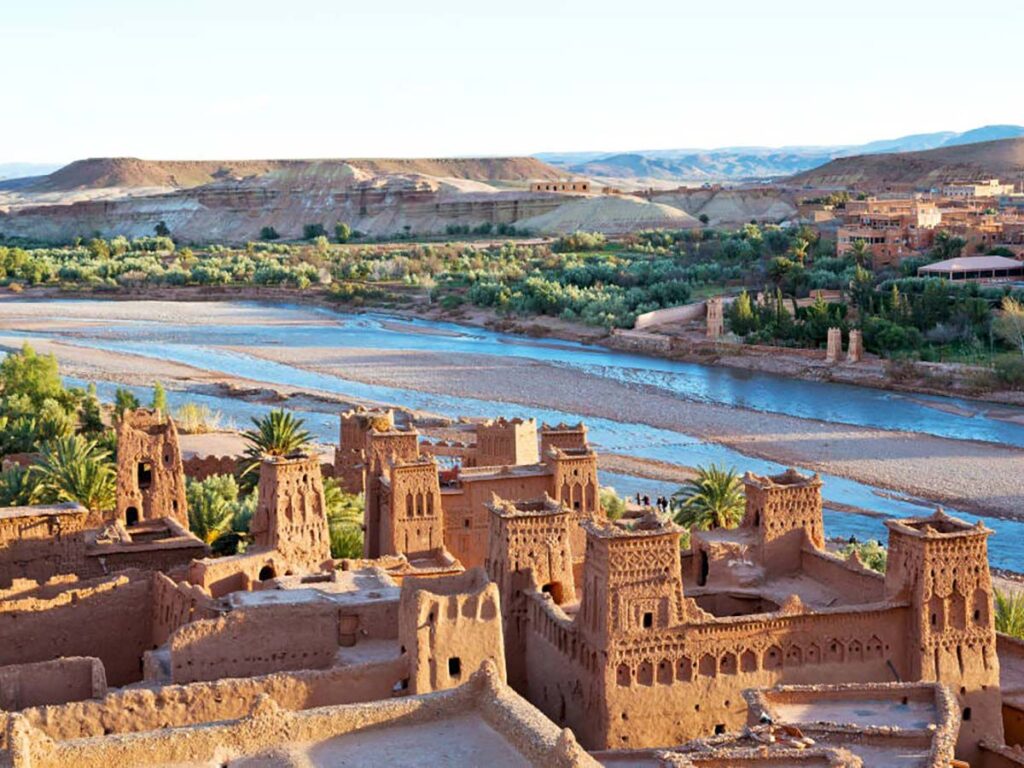
Fortresses of History and Home: The Moroccan Kasbah

sickofyourcrap.com – The Moroccan landscape is dotted with majestic structures that stand as silent witnesses to the country’s rich history and cultural heritage. Among these, the kasbahs are perhaps the most iconic. Derived from the Arabic word “qasaba,” meaning citadel or fortress, the kasbahs of Morocco are not just architectural marvels but also repositories of the country’s historical narratives. These fortified structures, often found in the southern regions of Morocco, near the Sahara Desert, served as both fortresses and homes, embodying the spirit of resilience and community that defines Moroccan culture.

The Architectural Marvel of Kasbahs

Kasbahs are characterized by their imposing walls, often made of mud brick or stone, designed to withstand the harsh desert climate and potential invasions. The architecture is a blend of Berber, Arab, and European influences, reflecting the diverse cultural exchanges that have shaped Morocco over the centuries. The design is both functional and aesthetically pleasing, with towers that served as lookouts and rooms that opened onto inner courtyards, providing a cool respite from the desert heat.

Kasbahs as Fortresses of History

Each kasbah tells a unique story, embodying the historical events and cultural shifts that have occurred in Morocco. Many were built during the 17th and 18th centuries by the ruling dynasties, such as the Saadians and Alaouites, to assert their power and control over the caravan routes that were crucial for trade. Kasbahs like the Kasbah of Aït Benhaddou, a UNESCO World Heritage site, and the Kasbah Telouet, once the seat of the powerful Glaoui family, are not just architectural wonders but also windows into Morocco’s past.

Kasbahs as Homes

Beyond their role as fortresses, kasbahs were also homes to entire communities. The inner courtyards and rooms were designed to accommodate families, livestock, and sometimes even entire villages. This communal living aspect of kasbahs highlights the importance of family and community in Moroccan culture. Today, many kasbahs have been restored and converted into luxury hotels, offering visitors a unique opportunity to experience life within these historic walls.

The Preservation and Future of Kasbahs

The preservation of kasbahs is crucial not only for maintaining Morocco’s architectural heritage but also for preserving the country’s cultural identity. Efforts are being made to restore and protect these structures, with some being recognized as UNESCO World Heritage sites. However, the challenge remains to balance preservation with the pressures of tourism and modernization.

Conclusion

The kasbahs of Morocco are more than just historical fortresses; they are living embodiments of the country’s rich history, culture, and architectural prowess. They stand as a testament to the ingenuity and resilience of the Moroccan people, offering a glimpse into a bygone era while also serving as a bridge to the future. As Morocco continues to embrace its past while moving forward, the kasbahs remain as enduring symbols of the country’s heritage and identity.