Fortresses of History and Home: The Moroccan Kasbah

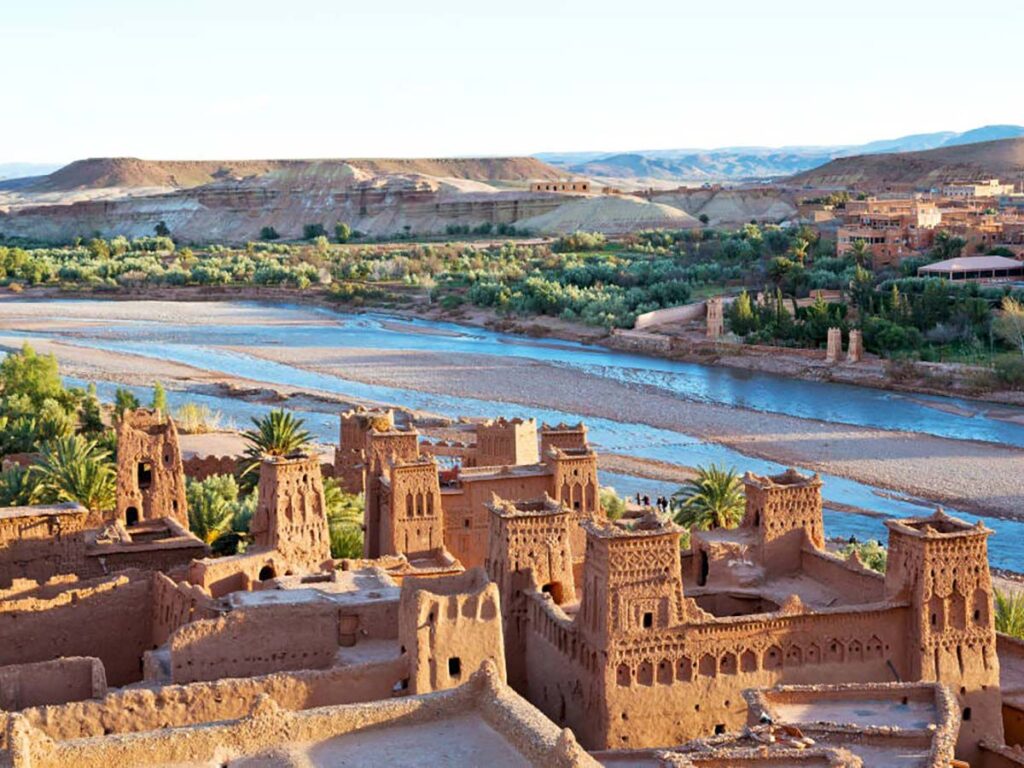
sickofyourcrap.com – The Moroccan landscape is dotted with majestic structures that stand as silent witnesses to the country’s rich history and cultural heritage. Among these, the kasbahs are perhaps the most iconic. Derived from the Arabic word “qasaba,” meaning citadel or fortress, the kasbahs of Morocco are not just architectural marvels but also repositories of the country’s historical narratives. These fortified structures, often found in the southern regions of Morocco, near the Sahara Desert, served as both fortresses and homes, embodying the spirit of resilience and community that defines Moroccan culture.

The Architectural Marvel of Kasbahs

Kasbahs are characterized by their imposing walls, often made of mud brick or stone, designed to withstand the harsh desert climate and potential invasions. The architecture is a blend of Berber, Arab, and European influences, reflecting the diverse cultural exchanges that have shaped Morocco over the centuries. The design is both functional and aesthetically pleasing, with towers that served as lookouts and rooms that opened onto inner courtyards, providing a cool respite from the desert heat.

Kasbahs as Fortresses of History

Each kasbah tells a unique story, embodying the historical events and cultural shifts that have occurred in Morocco. Many were built during the 17th and 18th centuries by the ruling dynasties, such as the Saadians and Alaouites, to assert their power and control over the caravan routes that were crucial for trade. Kasbahs like the Kasbah of Aït Benhaddou, a UNESCO World Heritage site, and the Kasbah Telouet, once the seat of the powerful Glaoui family, are not just architectural wonders but also windows into Morocco’s past.

Kasbahs as Homes

Beyond their role as fortresses, kasbahs were also homes to entire communities. The inner courtyards and rooms were designed to accommodate families, livestock, and sometimes even entire villages. This communal living aspect of kasbahs highlights the importance of family and community in Moroccan culture. Today, many kasbahs have been restored and converted into luxury hotels, offering visitors a unique opportunity to experience life within these historic walls.

The Preservation and Future of Kasbahs

The preservation of kasbahs is crucial not only for maintaining Morocco’s architectural heritage but also for preserving the country’s cultural identity. Efforts are being made to restore and protect these structures, with some being recognized as UNESCO World Heritage sites. However, the challenge remains to balance preservation with the pressures of tourism and modernization.

Conclusion

The kasbahs of Morocco are more than just historical fortresses; they are living embodiments of the country’s rich history, culture, and architectural prowess. They stand as a testament to the ingenuity and resilience of the Moroccan people, offering a glimpse into a bygone era while also serving as a bridge to the future. As Morocco continues to embrace its past while moving forward, the kasbahs remain as enduring symbols of the country’s heritage and identity.
Fortresses of the World’s Monarchs: Kings and Their Castles

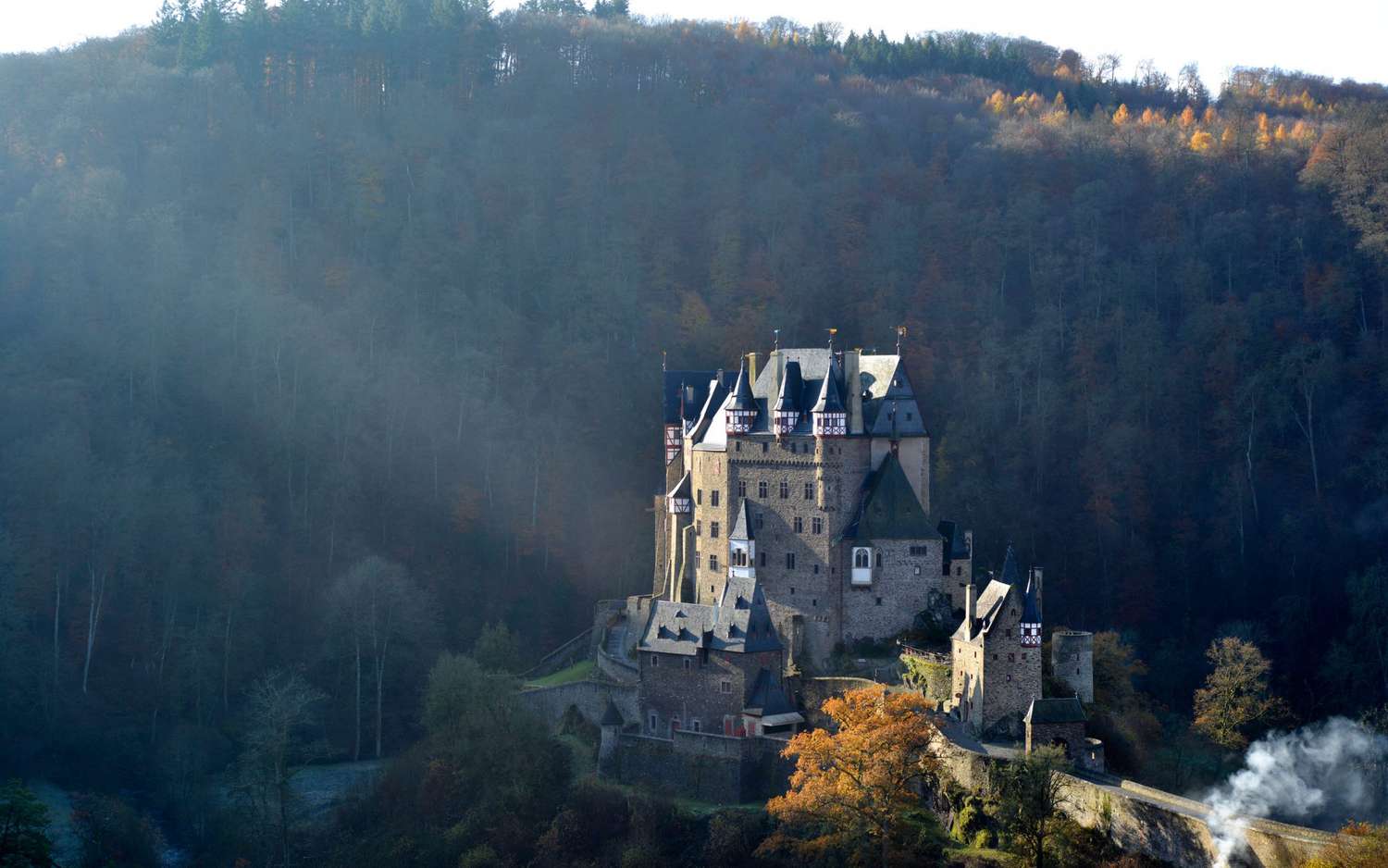
sickofyourcrap.com – Throughout history, kings and monarchs have been synonymous with power, wealth, and grandeur. One of the most enduring symbols of their reigns has been the castles they built or inherited. These fortresses were not just homes; they were centers of governance, military strongholds, and expressions of architectural prowess. From the snow-capped peaks of Europe to the sun-drenched lands of Asia and Africa, the world is dotted with castles that tell the stories of the monarchs who once ruled from their walls.

The Majesty of European Castles

Europe is home to some of the most iconic castles in the world, many of which have been the backdrop for real-life royal dramas. Neuschwanstein Castle in Germany, for example, is a fairy-tale creation of King Ludwig II, known for its fantastical design and the inspiration it provided for Disney’s Sleeping Beauty Castle.

Windsor Castle in England, one of the official residences of the British monarch, has been a seat of power for nearly a millennium. It has been a fortress, a palace, and a prison, and today, it remains a working royal home.

The Palace of Versailles in France, while not a castle in the traditional sense, is a testament to the opulence of the Sun King, Louis XIV. It was here that the French monarchy consolidated its power, and it remains a symbol of the extravagance that led to the French Revolution.

The Might of Asian Palaces

Asia’s monarchs have left behind a legacy of architectural marvels that rival their European counterparts. The Forbidden City in Beijing, China, was the imperial palace for 24 emperors during the Ming and Qing dynasties. It is a vast complex of halls, pavilions, and courtyards that was the ceremonial and political center of Chinese government for five centuries.

The Grand Palace in Bangkok, Thailand, is another example of the grandeur of Asian monarchy. Originally built in 1782, it served as the official residence of the Kings of Siam and later Thailand until 1925. Today, it is a must-visit for its intricate architecture and the Emerald Buddha Temple within its walls.

African Royal Strongholds

Africa’s monarchs have also built impressive castles and palaces, many of which are less known but equally fascinating. The Manhyia Palace in Kumasi, Ghana, is the royal residence of the Asantehene, the king of the Ashanti people. It is a blend of traditional African architecture and colonial-era design, reflecting the complex history of the region.

The Royal Palace of Ouidah in Benin is another significant royal residence. It was built in the 18th century and played a crucial role in the Atlantic slave trade. Today, it is a museum that tells the story of the kings of Dahomey and the history of the slave trade.

The Legacy of Monarchs’ Castles

The castles and palaces of the world’s monarchs are more than just buildings; they are time capsules that preserve the history, culture, and aspirations of their eras. They stand as reminders of the power and influence of the kings and queens who once ruled from their halls.

Today, many of these castles have been transformed into museums, tourist attractions, and in some cases, still serve as royal residences. They continue to attract visitors from around the world, eager to catch a glimpse of the life of royalty and to learn about the history of the lands they once ruled.

In conclusion, the castles of the world’s monarchs are not just fortresses of stone and mortar; they are fortresses of history, culture, and human achievement. They tell the stories of the kings and queens who shaped the world, and they continue to inspire awe and wonder in all who visit them.