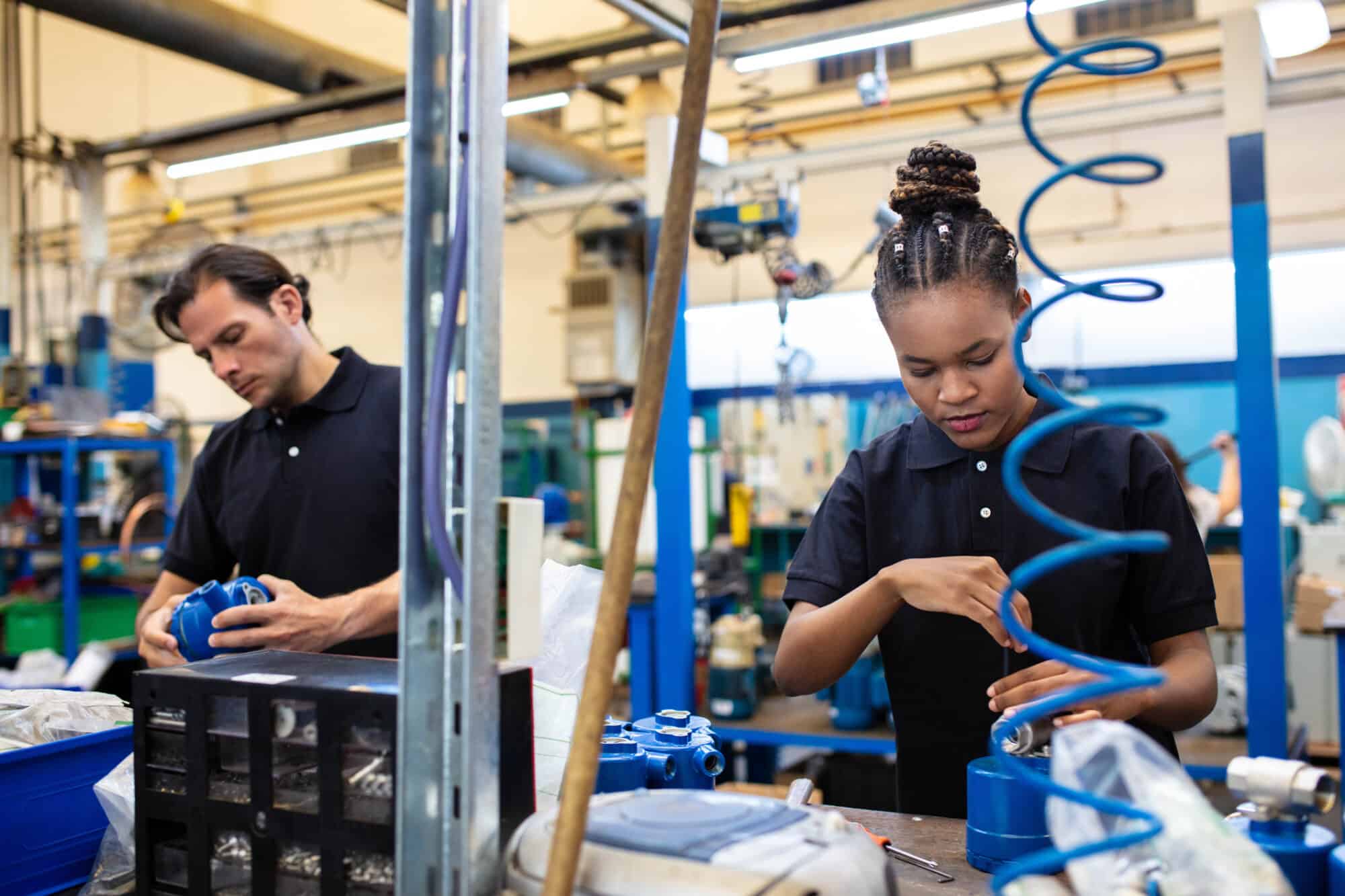
The Key to Adapting to Change in Manufacturing: Factory Flexibility

sickofyourcrap.com – In the ever-evolving landscape of manufacturing, the ability to adapt to change is no longer just an advantage; it’s a necessity. The modern manufacturing environment is characterized by rapidly changing consumer demands, technological advancements, and global competition. To survive and thrive in this dynamic setting, manufacturers must embrace factory flexibility—the capacity to quickly and efficiently adjust production processes, product lines, and supply chains in response to these changes.

Understanding Factory Flexibility

Factory flexibility refers to the ability of a manufacturing facility to alter its operations in response to internal or external stimuli. This can include changes in product design, volume, or even the introduction of new products. It encompasses both the physical and operational aspects of a factory, including machinery, workforce, and processes.

The Importance of Flexibility

  1. Responding to Market Demands: Consumer preferences can shift rapidly, and manufacturers must be able to adjust their production to meet these changing demands. Flexibility allows companies to quickly pivot to new products or modify existing ones, ensuring they remain competitive.
  2. Reducing Time-to-Market: In today’s fast-paced world, getting products to market quickly can be the difference between success and failure. A flexible manufacturing setup can significantly reduce the time from design to production, allowing companies to capitalize on trends and opportunities as they arise.
  3. Cost Efficiency: While flexibility might seem to imply higher costs due to the need for versatile equipment and skilled labor, it can actually lead to cost savings in the long run. By reducing waste, minimizing downtime, and optimizing inventory levels, manufacturers can achieve leaner operations and improved profitability.
  4. Risk Mitigation: The manufacturing sector is prone to disruptions, from supply chain issues to geopolitical events. A flexible factory can better absorb these shocks, quickly adapting production to mitigate risks and maintain output.

Implementing Factory Flexibility

  1. Modular Production Lines: Designing production lines that are modular and easily reconfigurable allows for quick changes in product mix and volume. This can be achieved through the use of flexible manufacturing systems (FMS) that can handle a variety of tasks.
  2. Advanced Technology: Technologies such as Industry 4.0, IoT, and AI can enhance factory flexibility by providing real-time data and enabling predictive maintenance, automated quality control, and smart logistics.
  3. Skilled Workforce: A flexible workforce is crucial. Training employees to be versatile and capable of operating multiple machines or processes can significantly enhance a factory’s adaptability.
  4. Supply Chain Agility: Collaborating closely with suppliers and having alternative sources for critical components can help mitigate supply chain disruptions and maintain production flexibility.

Conclusion

In the face of constant change, factory flexibility is not just a strategy; it’s a survival mechanism. By embracing flexibility, manufacturers can transform challenges into opportunities, respond swiftly to market demands, and maintain a competitive edge. As the manufacturing landscape continues to evolve, those who prioritize flexibility will be best positioned to thrive in the future of production.
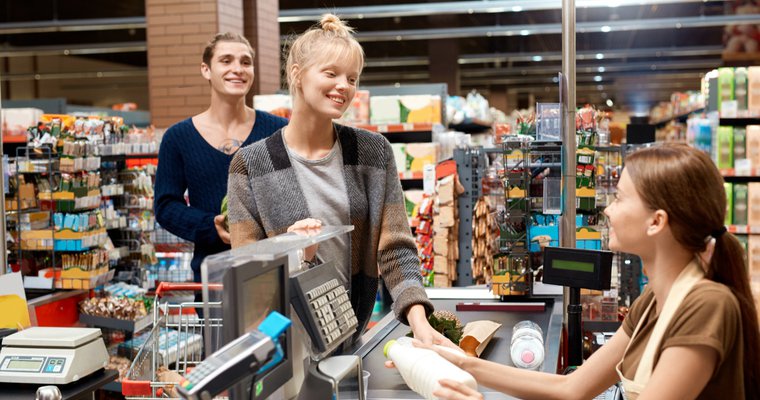
Adapting to Changing Consumer Needs: Department Stores

sickofyourcrap.com – In an era where online shopping has become the norm and consumer preferences are evolving at a rapid pace, department stores are facing the challenge of their lifetime. Once the epitome of retail, these multi-story emporiums are now at a crossroads, needing to adapt to changing consumer needs or risk becoming relics of the past. This article explores the strategies department stores are employing to stay relevant and thrive in a dynamic retail landscape.

Understanding the Shift in Consumer Behavior

The digital revolution has fundamentally changed how consumers shop. With the convenience of online shopping, consumers expect seamless, personalized experiences that cater to their individual tastes and preferences. This shift has put pressure on department stores to innovate and adapt. The key to survival lies in understanding and meeting these evolving needs.

Embracing Omnichannel Retailing

One of the most significant adaptations department stores are making is embracing omnichannel retailing. This approach integrates the traditional in-store shopping experience with online shopping, mobile commerce, and social media platforms. By doing so, department stores aim to provide a seamless shopping experience where customers can browse and purchase products in-store, online, or through a mobile app, and pick up or return items wherever is most convenient for them.

Enhancing the In-Store Experience

While online shopping offers convenience, it lacks the experiential aspect that physical stores can provide. Recognizing this, department stores are enhancing their in-store experiences to differentiate themselves. This includes creating interactive displays, offering personalized services such as styling consultations, and hosting events and workshops. By transforming stores into destinations where customers can enjoy unique experiences, department stores are making shopping a more engaging and enjoyable activity.

Focusing on Customer Experience

In a competitive retail environment, customer experience is a key differentiator. Department stores are investing in technologies such as mobile point-of-sale systems, virtual fitting rooms, and augmented reality experiences to enhance convenience and personalization. Additionally, they are training staff to provide exceptional customer service, ensuring that every interaction leaves a positive impression.

Curating a Unique Product Mix

To stand out in a crowded market, department stores are curating unique product mixes that reflect the latest trends and cater to a diverse customer base. This includes offering exclusive brands, collaborating with designers on limited-edition collections, and expanding into niche markets such as sustainable and eco-friendly products. By offering products that are not readily available elsewhere, department stores are giving consumers a reason to shop with them.

Leveraging Data and Analytics

Data is a powerful tool in understanding and meeting consumer needs. Department stores are leveraging data and analytics to gain insights into customer preferences, shopping behaviors, and trends. This information is used to tailor marketing efforts, optimize inventory, and personalize the shopping experience, ensuring that stores are stocked with products that customers want and that marketing messages resonate.

Conclusion

The retail landscape is constantly evolving, and consumer needs are more diverse and demanding than ever. For department stores, adapting to these changes is not just about survival; it’s about thriving and remaining relevant in a digital age. By embracing omnichannel retailing, enhancing the in-store experience, focusing on customer experience, curating unique product mixes, and leveraging data and analytics, department stores are poised to meet the challenges of the future and continue to be a significant part of the retail landscape. The journey is not without its challenges, but for those willing to adapt and innovate, the future looks bright.