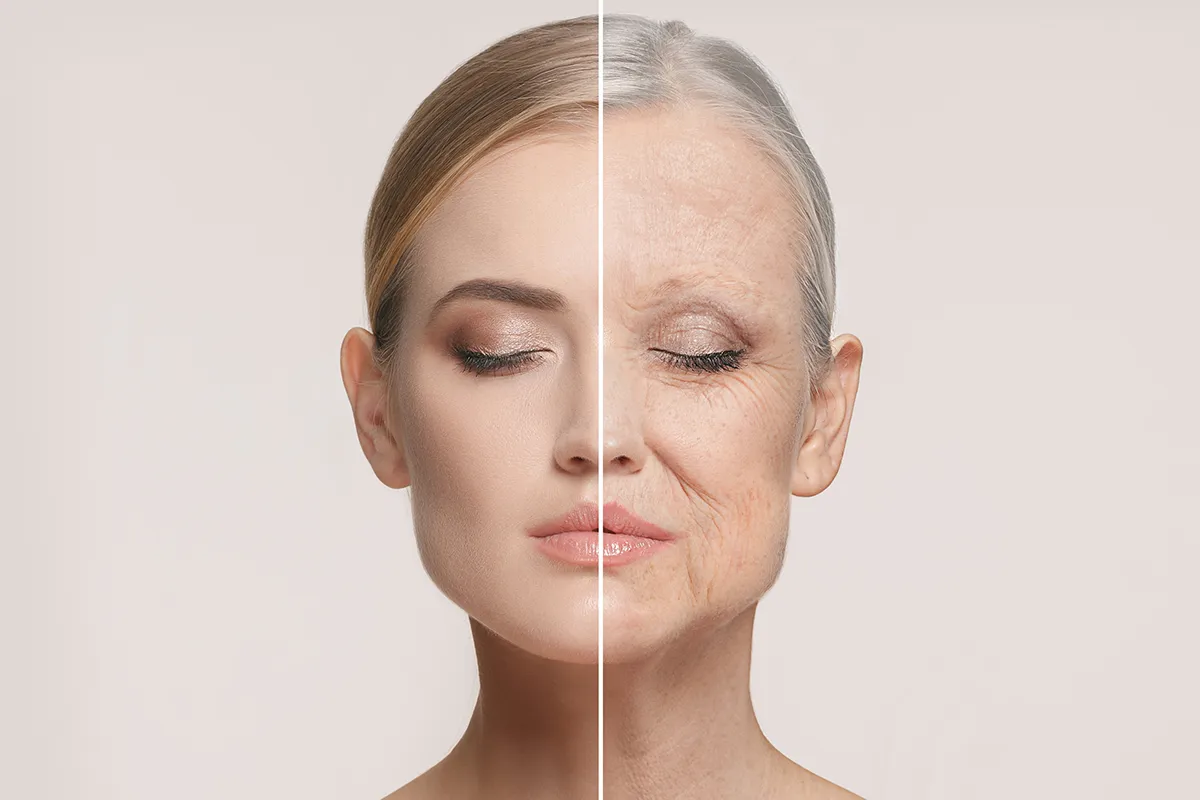
As the years pass, the quest for youthful skin becomes a common pursuit. The signs of aging, such as wrinkles, fine lines, age spots, and loss of elasticity, can be a source of concern for many. However, with the right strategies and a consistent skincare routine, it’s possible to maintain a youthful appearance at any age. Here are some effective anti-aging skincare strategies to help you on your journey to maintaining a radiant and youthful complexion.
- Sun Protection is Key
The most important step in any anti-aging skincare routine is protecting your skin from the sun. UV rays are a major cause of premature aging. Make sure to apply a broad-spectrum sunscreen with an SPF of at least 30 every day, even when it’s cloudy. Don’t forget to reapply every two hours if you’re outdoors, and consider wearing protective clothing, such as wide-brimmed hats and UV-blocking sunglasses. - Adopt a Gentle Cleansing Routine
Cleansing is essential, but it’s important to be gentle. Harsh scrubbing can damage the skin’s protective barrier and accelerate aging. Opt for a mild, hydrating cleanser that removes dirt, oil, and makeup without stripping the skin of its natural oils. Cleanse twice a day – in the morning to remove any buildup from the night and in the evening to wash away the day’s pollutants. - Moisturize Daily
Keeping your skin well-hydrated is crucial for maintaining its elasticity and suppleness. Choose a moisturizer that suits your skin type and apply it daily after cleansing. Look for ingredients like hyaluronic acid, ceramides, and glycerin, which are excellent for retaining moisture. - Incorporate Retinoids
Retinoids are derivatives of vitamin A and are known for their powerful anti-aging properties. They can help reduce the appearance of fine lines and wrinkles, improve skin texture, and promote collagen production. Start with a low concentration if you’re new to retinoids and gradually increase as your skin adjusts. It’s best to use retinoids at night, as they can increase sun sensitivity. - Antioxidants to the Rescue
Antioxidants like vitamins C and E can help protect your skin from free radical damage caused by environmental stressors. These molecules can neutralize free radicals before they harm your skin cells. Incorporate antioxidant-rich serums or creams into your morning routine to provide an added layer of defense against aging. - Exfoliate Regularly
Regular exfoliation can help remove dead skin cells, revealing a smoother, more youthful complexion. However, it’s important not to overdo it, as excessive exfoliation can irritate the skin and accelerate aging. Aim for one to three times a week, depending on your skin type, and choose products with gentle exfoliants like alpha-hydroxy acids (AHAs) or beta-hydroxy acids (BHAs). - Stay Hydrated and Eat Healthily
Your diet and hydration levels also play a significant role in skin health. Drink plenty of water throughout the day to keep your skin hydrated from the inside out. Additionally, a diet rich in fruits, vegetables, lean proteins, and healthy fats can provide the nutrients your skin needs to repair and regenerate. - Get Enough Sleep and Manage Stress
Lack of sleep and high stress levels can take a toll on your skin, leading to premature aging. Aim for 7-9 hours of quality sleep per night and practice stress-reducing techniques such as meditation, yoga, or deep breathing exercises. - Consider Professional Treatments
For more advanced anti-aging results, you might consider professional treatments such as chemical peels, microdermabrasion, laser therapy, or injectables like Botox and fillers. These treatments should be performed by a licensed dermatologist or aesthetician and can address specific concerns that may not be resolved with topical treatments alone. - Consistency is Key
Lastly, remember that anti-aging skincare is a marathon, not a sprint. Consistency in your skincare routine is far more effective than sporadic efforts. Be patient and give your products time to work, as some ingredients may take several weeks or even months to show visible results.
In conclusion, achieving and maintaining youthful skin at any age requires a multifaceted approach. By incorporating these anti-aging skincare strategies into your daily routine, you can help minimize the signs of aging and keep your skin looking radiant and youthful for years to come. Always consult with a skincare professional to tailor a regimen that best suits your individual skin needs and concerns.
