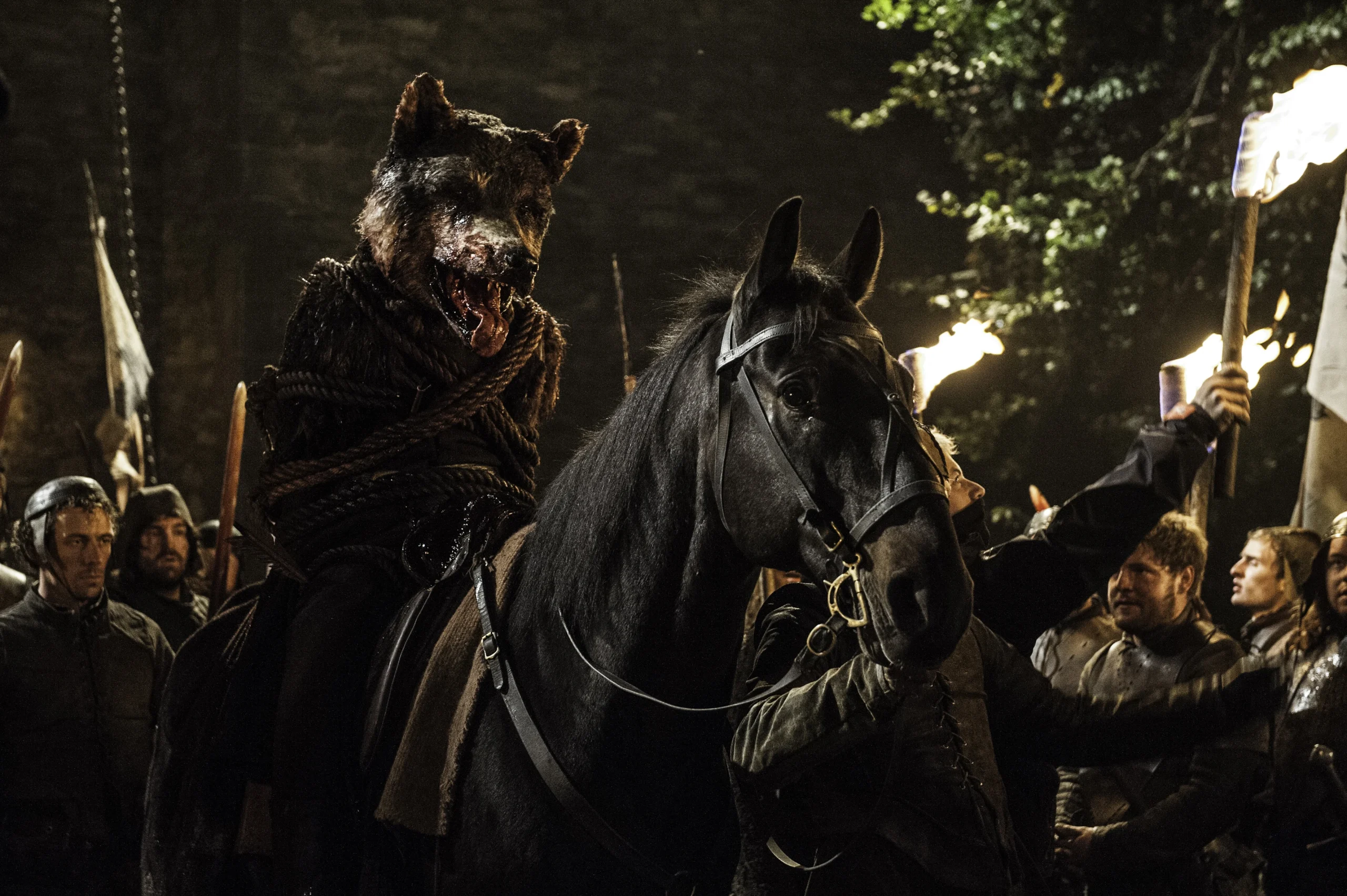
A Tragic Turn in Westerosi History: The Red Wedding

sickofyourcrap.com – The Red Wedding, a pivotal and shocking event in the fictional world of Westeros, depicted in the “A Song of Ice and Fire” novels by George R.R. Martin and brought to life in the HBO series “Game of Thrones,” has become a landmark moment in modern storytelling. This article delves into the historical significance of the Red Wedding within the narrative, its impact on the characters involved, and its lasting effect on the audience.

The Prelude to Tragedy

Before the Red Wedding, the Stark and Tully families were in a precarious position, having lost significant battles and allies in the War of the Five Kings. Robb Stark, the King in the North, and his mother, Catelyn Stark, sought to consolidate their forces and secure their position against the Lannisters. It was under the guise of a peace negotiation and wedding feast, between the Stark bannerman Edmure Tully and Roslin Frey, that the Starks and their allies were lured into a false sense of security.

The Brutal Execution

The Red Wedding took place in the Twins, the seat of House Frey, during the wedding feast. The Freys, along with the Bolton forces, turned on their guests, violating the sacred laws of hospitality. The massacre was swift and brutal, resulting in the deaths of Robb Stark, his wife Talisa, their unborn child, Catelyn Stark, and many other Stark loyalists. The event was named the Red Wedding due to the bloodshed that occurred during the celebration.

The Aftermath and Its Impact

The Red Wedding was a turning point in the conflict, effectively ending the northern independence movement and shifting the balance of power in Westeros. The betrayal and slaughter were a stark reminder of the series’ themes of political intrigue, the fragility of honor, and the brutal consequences of war.

For the characters, the Red Wedding was a devastating blow, leading to a deep sense of loss and a thirst for vengeance. It marked the end of the Stark leadership in the North and set the stage for further conflict and alliances.

The Audience’s Reaction

The Red Wedding episode aired on June 2, 2013, and was met with widespread shock and discussion. Fans and critics alike were taken aback by the bold narrative choice to kill off major characters in such a brutal manner. The event became a cultural touchstone, demonstrating the willingness of “Game of Thrones” to subvert traditional storytelling norms and challenge its audience’s expectations.

Conclusion

The Red Wedding remains one of the most memorable and controversial events in the “Game of Thrones” series. It serves as a testament to George R.R. Martin’s storytelling prowess and the showrunners’ ability to translate complex narratives to the screen. The event’s impact on the characters, the storyline, and the audience underscores the series’ exploration of power, betrayal, and the human cost of war.
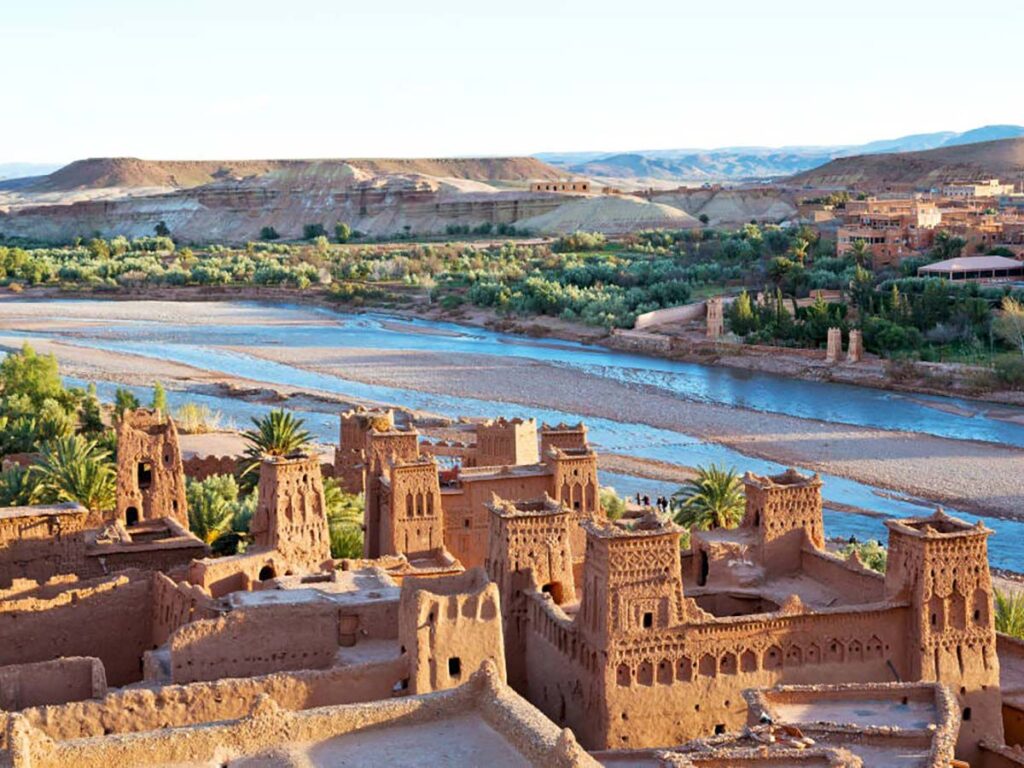
Fortresses of History and Home: The Moroccan Kasbah

sickofyourcrap.com – The Moroccan landscape is dotted with majestic structures that stand as silent witnesses to the country’s rich history and cultural heritage. Among these, the kasbahs are perhaps the most iconic. Derived from the Arabic word “qasaba,” meaning citadel or fortress, the kasbahs of Morocco are not just architectural marvels but also repositories of the country’s historical narratives. These fortified structures, often found in the southern regions of Morocco, near the Sahara Desert, served as both fortresses and homes, embodying the spirit of resilience and community that defines Moroccan culture.

The Architectural Marvel of Kasbahs

Kasbahs are characterized by their imposing walls, often made of mud brick or stone, designed to withstand the harsh desert climate and potential invasions. The architecture is a blend of Berber, Arab, and European influences, reflecting the diverse cultural exchanges that have shaped Morocco over the centuries. The design is both functional and aesthetically pleasing, with towers that served as lookouts and rooms that opened onto inner courtyards, providing a cool respite from the desert heat.

Kasbahs as Fortresses of History

Each kasbah tells a unique story, embodying the historical events and cultural shifts that have occurred in Morocco. Many were built during the 17th and 18th centuries by the ruling dynasties, such as the Saadians and Alaouites, to assert their power and control over the caravan routes that were crucial for trade. Kasbahs like the Kasbah of Aït Benhaddou, a UNESCO World Heritage site, and the Kasbah Telouet, once the seat of the powerful Glaoui family, are not just architectural wonders but also windows into Morocco’s past.

Kasbahs as Homes

Beyond their role as fortresses, kasbahs were also homes to entire communities. The inner courtyards and rooms were designed to accommodate families, livestock, and sometimes even entire villages. This communal living aspect of kasbahs highlights the importance of family and community in Moroccan culture. Today, many kasbahs have been restored and converted into luxury hotels, offering visitors a unique opportunity to experience life within these historic walls.

The Preservation and Future of Kasbahs

The preservation of kasbahs is crucial not only for maintaining Morocco’s architectural heritage but also for preserving the country’s cultural identity. Efforts are being made to restore and protect these structures, with some being recognized as UNESCO World Heritage sites. However, the challenge remains to balance preservation with the pressures of tourism and modernization.

Conclusion

The kasbahs of Morocco are more than just historical fortresses; they are living embodiments of the country’s rich history, culture, and architectural prowess. They stand as a testament to the ingenuity and resilience of the Moroccan people, offering a glimpse into a bygone era while also serving as a bridge to the future. As Morocco continues to embrace its past while moving forward, the kasbahs remain as enduring symbols of the country’s heritage and identity.