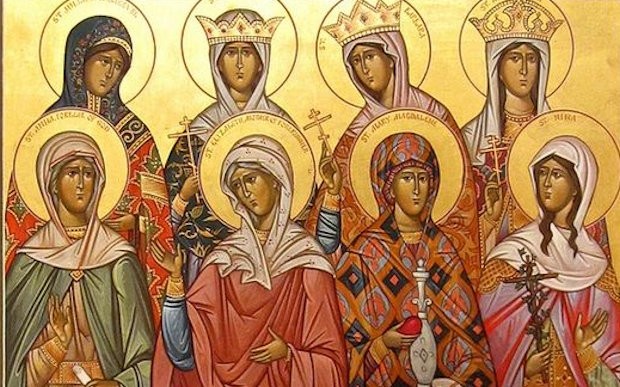
Past and Present: The Role of Women in Christianity

sickofyourcrap.com – The role of women in Christianity has been a subject of much discussion and evolution over the centuries. From the earliest days of the faith to the modern era, women have played various roles within the Christian community, often facing challenges and discrimination but also contributing significantly to the development and spread of Christian teachings. This article explores the historical and contemporary roles of women in Christianity, highlighting their contributions and the ongoing struggle for gender equality within the faith.

The Early Church and Women’s Roles

In the early Christian church, women were active participants, though their roles were often circumscribed by the patriarchal norms of the time. The New Testament mentions several women who played significant roles in the early Christian community, such as Mary Magdalene, who is often considered the first witness to the resurrection of Jesus, and Priscilla, who, with her husband Aquila, taught the apostle Apollos. Despite these examples, women were generally excluded from leadership positions and were often relegated to supporting roles.

Medieval and Reformation Periods

During the medieval period, women’s roles in Christianity were primarily confined to the domestic sphere, although some women, such as Hildegard of Bingen and Teresa of Avila, gained prominence as mystics, theologians, and reformers. The Reformation brought about significant changes in Christian doctrine and practice, but it did not significantly alter the status of women within the church. Women continued to be excluded from ordination and leadership roles.

The 19th and 20th Centuries: A Shift Towards Equality

The 19th and 20th centuries saw significant changes in the role of women in society, which also influenced their role in Christianity. The rise of feminism and the struggle for gender equality led to a reevaluation of women’s roles within the church. Some Christian denominations began to ordain women as clergy, and women became more involved in church governance and theological education. Despite these advances, many Christian communities still struggled with issues of gender discrimination and the full inclusion of women in church life.

Contemporary Christianity and Women’s Leadership

Today, the role of women in Christianity is more diverse and prominent than ever before. Many Christian denominations now ordain women as clergy and have women in leadership positions at all levels of church governance. Women theologians, pastors, and lay leaders are contributing significantly to the life of the church, challenging traditional interpretations of scripture and advocating for social justice and gender equality.

Challenges and Opportunities

Despite the progress made, women in Christianity still face challenges, including resistance to their leadership and participation in some conservative denominations and cultures. The ongoing debate over women’s ordination and leadership roles reflects broader tensions within Christianity regarding tradition, authority, and the interpretation of scripture.

Conclusion

The role of women in Christianity has evolved significantly over the centuries, from the early church to the present day. While women have faced and continue to face challenges and discrimination, their contributions to the faith have been profound and indispensable. As Christianity continues to adapt to the changing world, the full inclusion and leadership of women will be essential to its vitality and relevance. The journey towards gender equality within Christianity is ongoing, but the increasing visibility and leadership of women in the faith suggest a promising future for gender justice in the church.
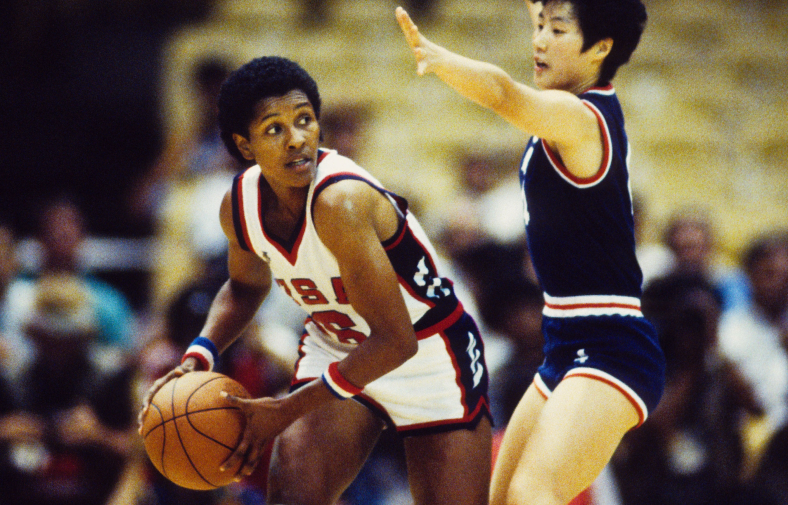
Trailblazer in Women’s Basketball

sickofyourcrap.com – Lisa Leslie is a name synonymous with excellence in women’s basketball. Born on July 7, 1972, in Gardena, California, Leslie’s journey from a young athlete to a basketball legend is a testament to her skill, determination, and leadership. Her career, marked by numerous accolades and groundbreaking achievements, has left an indelible mark on the sport, inspiring generations of young athletes.

Early Career and College Success

Leslie’s basketball career began in earnest during her high school years at Morningside High School in Inglewood, California. Her exceptional talent was evident early on, leading her to be named the National High School Player of the Year in 1990. Leslie continued to shine on the court during her college years at the University of Southern California (USC). She became the first player in NCAA history, male or female, to score 1,000 points and grab 1,000 rebounds in her first three seasons. Leslie’s college career was capped off with a Pac-10 Player of the Year award in 1994.

Professional Career and Historic Achievements

After graduating from USC, Leslie was selected first overall in the 1997 WNBA Draft by the Los Angeles Sparks. Her professional career was nothing short of spectacular. Leslie led the Sparks to two WNBA Championships in 2001 and 2002, and she was named the WNBA Finals MVP in both seasons. Her list of accolades includes two WNBA MVP awards, eight All-Star appearances, and being named to the All-WNBA First Team three times.

One of Leslie’s most iconic moments came in 2002 when she became the first woman to dunk in a regular-season WNBA game. This historic achievement showcased her athleticism and skill, breaking barriers and changing perceptions about women’s basketball.

Olympic Success and Legacy

Leslie’s impact extends beyond the WNBA. She was a key member of the United States women’s national basketball team, winning four Olympic gold medals in 1996, 2000, 2004, and 2008. Her leadership and skill on the court were instrumental in the team’s success, solidifying her status as one of the greatest basketball players of all time.

Retirement and Life After Basketball

Leslie retired from the WNBA in 2009, leaving many to wonder how much more she could have achieved had she continued playing. However, her retirement marked the beginning of a new chapter. She has remained involved in basketball through coaching and mentorship, using her platform to inspire young athletes. Leslie has also delved into business and entertainment, further diversifying her impact.

Conclusion

Lisa Leslie’s legacy is not just about the records she broke or the championships she won. It’s about the barriers she shattered and the doors she opened for future generations of women’s basketball players. Her career was a testament to her talent, hard work, and determination, making her a role model both on and off the court. As the sport of basketball continues to evolve, Lisa Leslie’s contributions will undoubtedly be remembered as pivotal in the advancement of women’s basketball.

Women in Boxing and MMA: The Fighting Spirit

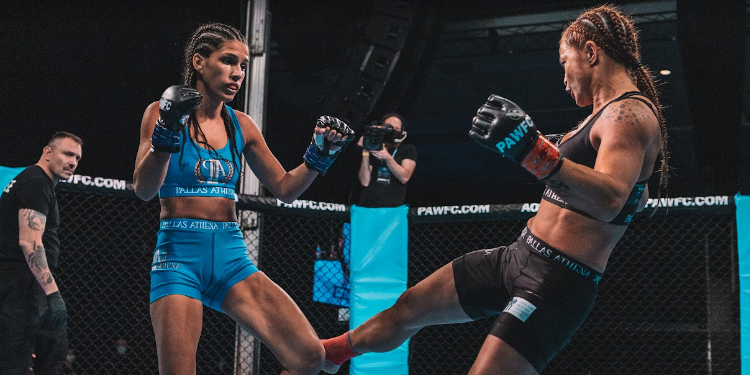
sickofyourcrap.com – The world of combat sports has long been dominated by men, with women’s participation often sidelined or overlooked. However, in recent years, women in boxing and mixed martial arts (MMA) have been breaking barriers, shattering stereotypes, and captivating audiences worldwide with their skill, determination, and fighting spirit. This article delves into the journey of women in these sports, highlighting their achievements, the challenges they face, and the impact they have on the future of combat sports.

A Brief History

Women’s participation in boxing dates back to the 18th century, but it wasn’t until the late 20th century that female boxers began to gain recognition. The first recorded women’s boxing match took place in 1722, but it wasn’t until 1993 that women’s boxing was included in the World Amateur Boxing Championships. The sport made its Olympic debut in 2012, marking a significant milestone for female boxers.

MMA, a relatively newer sport, saw its first sanctioned women’s bout in the early 1990s. However, it wasn’t until the late 2000s and early 2010s, with the rise of fighters like Ronda Rousey and the introduction of the women’s division in the Ultimate Fighting Championship (UFC), that women’s MMA gained mainstream attention.

Breaking Barriers

Women in boxing and MMA have faced numerous challenges, including societal biases, lack of opportunities, and inadequate support. Despite these obstacles, female fighters have persevered, carving out a space for themselves in the male-dominated world of combat sports. They have not only excelled in their respective disciplines but have also become role models, inspiring a new generation of female athletes to pursue their dreams.

Fighters like Claressa Shields in boxing and Amanda Nunes in MMA have achieved significant success, becoming world champions and breaking records. Their achievements have helped to elevate the status of women in combat sports, proving that female athletes are just as capable and deserving of recognition as their male counterparts.

The Impact

The rise of women in boxing and MMA has had a profound impact on the sports themselves and on society at large. It has challenged traditional gender roles and stereotypes, demonstrating that women can be strong, powerful, and competitive. This has not only paved the way for greater participation of women in combat sports but has also influenced other areas of athletics and beyond.

Moreover, the visibility of female fighters has encouraged more women to take up boxing and MMA, both as a form of exercise and as a competitive sport. This has led to the growth of women’s divisions in these sports, with more events, titles, and opportunities for female athletes.

The Future

The future of women in boxing and MMA looks promising. With continued support and recognition, female fighters will undoubtedly achieve even greater heights, inspiring more women to enter the ring and the octagon. As societal attitudes continue to evolve, the participation of women in combat sports will become more normalized, leading to greater equality and opportunities for female athletes.

In conclusion, the journey of women in boxing and MMA is a testament to the power of perseverance, skill, and fighting spirit. From facing discrimination and limited opportunities to becoming world champions and role models, female fighters have transformed the landscape of combat sports. Their achievements not only highlight the capabilities of women in athletics but also serve as a beacon of hope and inspiration for future generations. As the world continues to embrace the strength and talent of women in combat sports, the legacy of these fighters will undoubtedly continue to grow, leaving an indelible mark on the history of boxing and MMA.