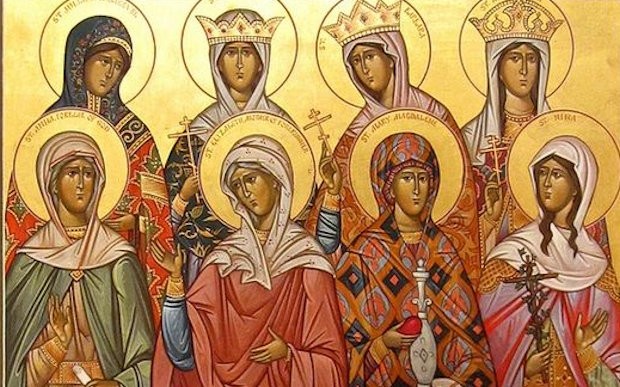
sickofyourcrap.com – The role of women in Christianity has been a subject of much discussion and evolution over the centuries. From the earliest days of the faith to the modern era, women have played various roles within the Christian community, often facing challenges and discrimination but also contributing significantly to the development and spread of Christian teachings. This article explores the historical and contemporary roles of women in Christianity, highlighting their contributions and the ongoing struggle for gender equality within the faith.
The Early Church and Women’s Roles
In the early Christian church, women were active participants, though their roles were often circumscribed by the patriarchal norms of the time. The New Testament mentions several women who played significant roles in the early Christian community, such as Mary Magdalene, who is often considered the first witness to the resurrection of Jesus, and Priscilla, who, with her husband Aquila, taught the apostle Apollos. Despite these examples, women were generally excluded from leadership positions and were often relegated to supporting roles.
Medieval and Reformation Periods
During the medieval period, women’s roles in Christianity were primarily confined to the domestic sphere, although some women, such as Hildegard of Bingen and Teresa of Avila, gained prominence as mystics, theologians, and reformers. The Reformation brought about significant changes in Christian doctrine and practice, but it did not significantly alter the status of women within the church. Women continued to be excluded from ordination and leadership roles.
The 19th and 20th Centuries: A Shift Towards Equality
The 19th and 20th centuries saw significant changes in the role of women in society, which also influenced their role in Christianity. The rise of feminism and the struggle for gender equality led to a reevaluation of women’s roles within the church. Some Christian denominations began to ordain women as clergy, and women became more involved in church governance and theological education. Despite these advances, many Christian communities still struggled with issues of gender discrimination and the full inclusion of women in church life.
Contemporary Christianity and Women’s Leadership
Today, the role of women in Christianity is more diverse and prominent than ever before. Many Christian denominations now ordain women as clergy and have women in leadership positions at all levels of church governance. Women theologians, pastors, and lay leaders are contributing significantly to the life of the church, challenging traditional interpretations of scripture and advocating for social justice and gender equality.
Challenges and Opportunities
Despite the progress made, women in Christianity still face challenges, including resistance to their leadership and participation in some conservative denominations and cultures. The ongoing debate over women’s ordination and leadership roles reflects broader tensions within Christianity regarding tradition, authority, and the interpretation of scripture.
Conclusion
The role of women in Christianity has evolved significantly over the centuries, from the early church to the present day. While women have faced and continue to face challenges and discrimination, their contributions to the faith have been profound and indispensable. As Christianity continues to adapt to the changing world, the full inclusion and leadership of women will be essential to its vitality and relevance. The journey towards gender equality within Christianity is ongoing, but the increasing visibility and leadership of women in the faith suggest a promising future for gender justice in the church.