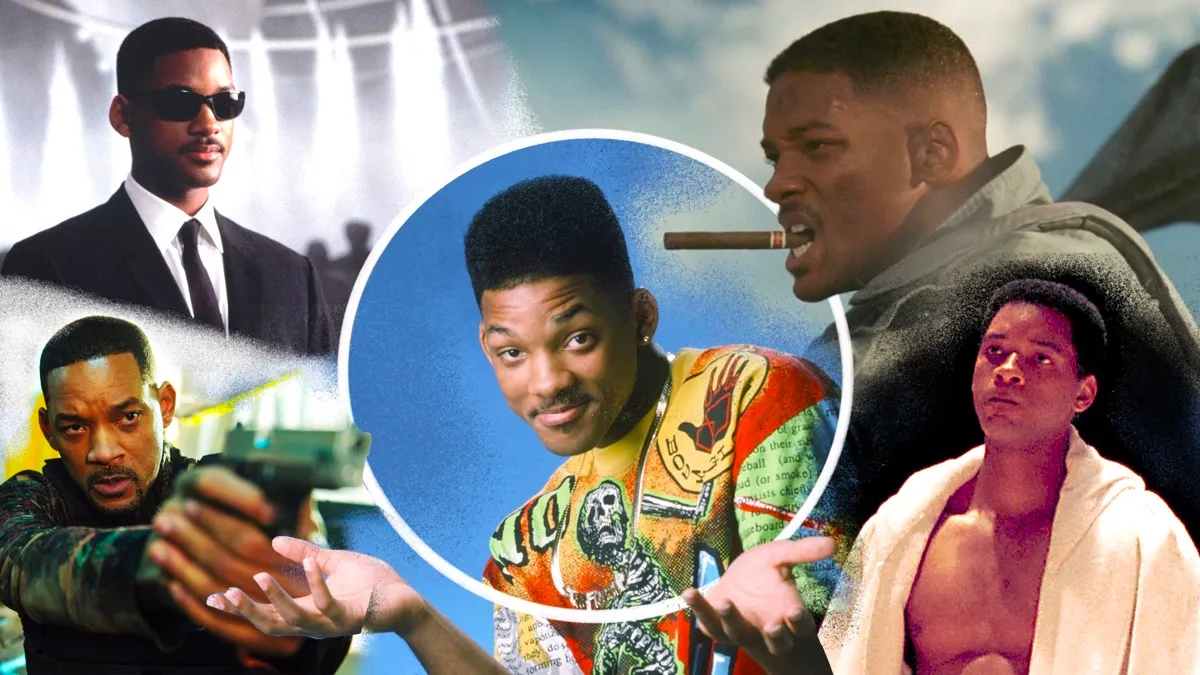
The Acting Career of Will Smith in the 2000s

sickofyourcrap.com – The 2000s were a transformative decade for Will Smith, who solidified his status as a leading actor in Hollywood. Known for his charismatic presence, versatility, and ability to resonate with audiences worldwide, Smith’s career in the 2000s was marked by a series of high-profile roles that showcased his range as an actor. From action-packed blockbusters to dramatic turns, Smith’s choices during this decade not only entertained but also challenged perceptions of his capabilities.

The Early 2000s: Establishing a Strong Foundation

“Ali” (2001): A Dramatic Turn

Smith’s portrayal of Muhammad Ali in the 2001 biopic “Ali” was a pivotal moment in his career. This role marked a significant departure from his usual comedic and action-oriented roles, showcasing his dramatic depth. Smith’s performance as the legendary boxer was critically acclaimed, earning him a Golden Globe nomination for Best Actor.

“Men in Black II” (2002): Continuing a Franchise

Building on the success of the first film, “Men in Black II” saw Smith reprising his role as Agent J, alongside Tommy Lee Jones as Agent K. The film was a commercial success, further establishing Smith’s appeal in the sci-fi action genre.

The Mid-2000s: Blockbuster Dominance

“Bad Boys II” (2003): Action-Comedy Success

Teaming up again with Martin Lawrence, Smith returned in “Bad Boys II” as Miami PD detective Mike Lowrey. The film was a massive box office hit, known for its high-octane action sequences and the chemistry between Smith and Lawrence.

“I, Robot” (2004): Sci-Fi Adventure

In “I, Robot,” Smith ventured into the realm of science fiction, playing a detective in a future where robots are commonplace. The film was both a critical and commercial success, further demonstrating Smith’s ability to carry a wide range of genres.

“Hitch” (2005): Romantic Comedy Charm

“Hitch” showcased a different side of Smith, focusing on romance and comedy. As the titular “Date Doctor,” Smith’s charisma and comedic timing were on full display, making “Hitch” one of the highest-grossing romantic comedies of its time.

The Late 2000s: Continued Success and Evolution

“The Pursuit of Happyness” (2006): A Dramatic Highlight

Smith delivered a powerful performance in “The Pursuit of Happyness,” based on the true story of Chris Gardner. His portrayal of a struggling salesman and single father earned him widespread acclaim and an Academy Award nomination for Best Actor.

“I Am Legend” (2007): Post-Apocalyptic Thriller

In “I Am Legend,” Smith took on the challenge of carrying a film largely by himself, playing a survivor in a post-apocalyptic world. The film was a testament to his box office draw and ability to immerse audiences in a character’s emotional journey.

Conclusion

The 2000s were a defining decade for Will Smith, showcasing his versatility and star power. From dramatic turns to action-packed roles, Smith’s choices during this period not only entertained but also demonstrated his growth as an actor. His ability to resonate with audiences across genres has cemented his status as one of Hollywood’s most bankable stars. As the decade closed, Smith’s career trajectory continued to ascend, setting the stage for further success in the years to come.
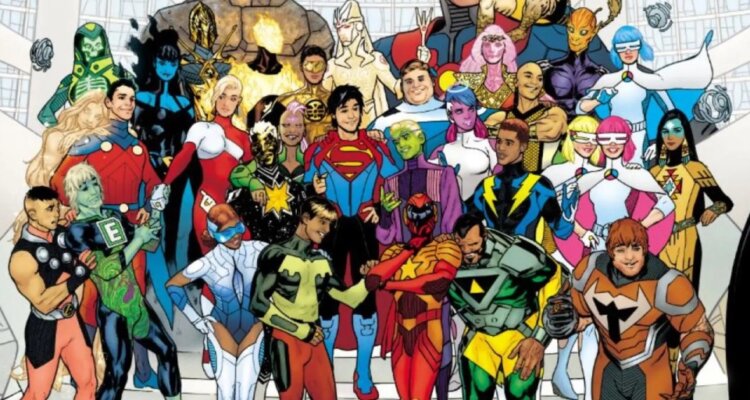
Decade of Comic Book Dominance: The Rise of Superhero Movies

sickofyourcrap.com – Over the past decade, superhero movies have skyrocketed from a niche genre to a cultural phenomenon, dominating the box office and shaping the landscape of modern cinema. This transformation has been nothing short of extraordinary, with comic book adaptations not only becoming a staple of Hollywood but also redefining the concept of a blockbuster. The journey from the silver age of comics to the silver screen has been a remarkable evolution, and here’s a deep dive into how superhero movies have come to rule the cinematic universe.

The Genesis: From Comics to Cult Classics

The seeds of superhero movie dominance were sown in the late 20th century with films like “Superman” (1978) and “Batman” (1989). These movies proved that comic book characters could translate successfully to the big screen, captivating audiences and earning significant box office returns. However, it wasn’t until the early 2000s that the genre began its ascent to the pinnacle of Hollywood.

The Turning Point: A Decade of Marvel and DC

The true revolution began with the release of “Iron Man” in 2008. This film was not just another superhero origin story; it was the launchpad for the Marvel Cinematic Universe (MCU), a bold experiment in shared universe storytelling that would redefine the superhero genre. The MCU’s interconnected narrative, starting with “Iron Man” and culminating in the epic crossover events like “The Avengers” (2012) and “Avengers: Endgame” (2019), demonstrated the potential for superhero movies to tell complex, emotionally resonant stories on a massive scale.

DC Comics, not to be outdone, entered the fray with the Dark Knight Trilogy, beginning with “Batman Begins” (2005) and reaching its zenith with “The Dark Knight” (2008), directed by Christopher Nolan. This series brought a gritty realism to the superhero genre, earning critical acclaim and commercial success.

The Expansion: Beyond Marvel and DC

The success of Marvel and DC on the big screen has also led to a broader interest in superhero narratives, with studios exploring lesser-known comic book properties. Fox’s “X-Men” series and “Deadpool” films, Sony’s “Spider-Man” iterations, and Warner Bros.’ “Suicide Squad” and “Wonder Woman” have all contributed to the genre’s diversity and appeal.

Moreover, the superhero genre has expanded beyond Western comics, with films like “Big Hero 6” (2014) and “The Incredibles” (2004) introducing animated superhero narratives, and “Wolf Warrior” (2015) showcasing Chinese action cinema’s take on the genre.

The Impact: Beyond the Box Office

Superhero movies have had a profound impact on the film industry and popular culture. They have become a testing ground for innovative filmmaking techniques, from the groundbreaking visual effects of “The Avengers” to the non-linear storytelling of “X-Men: Days of Future Past” (2014).

Moreover, these films have played a crucial role in diversifying Hollywood, with characters like Black Panther, Wonder Woman, and Miles Morales breaking barriers and inspiring a new generation of filmmakers and audiences. The genre’s global appeal has also facilitated a more inclusive dialogue about representation, identity, and heroism in the 21st century.

The Future: A Genre Without Boundaries

As we look to the future, the superhero genre shows no signs of slowing down. With Marvel Studios announcing plans for its Phase 4 and beyond, and DC Films reimagining its cinematic universe, the battle for comic book supremacy is far from over. Moreover, the genre’s evolution suggests that superhero movies will continue to push the boundaries of storytelling, technology, and cultural discourse.

In conclusion, the rise of superhero movies over the past decade has been a testament to the genre’s enduring appeal and its ability to adapt and innovate. From cult classics to cultural phenomena, these films have not only dominated the box office but have also left an indelible mark on the cinematic landscape. As we eagerly await the next chapter in this epic saga, one thing is clear: the age of superheroes is far from over.